



Self Storage Software That Runs Bookings, Billing and the Gate
Storage is a simple promise to your customer and a complicated business behind the counter. Availability, contracts, deposits, recurring payments, access rights and move outs all have to line up, every day, at every site. When they do not, the cost is quiet: a unit promised twice, a payment that never collected, a customer waiting at the gate.
We help storage operators put those moving parts on one connected footing, so your team spends less time chasing information and more time filling units and looking after customers.


Built for How Storage Businesses Run
Follow one unit, 3C, from first reservation to re-listing.

Availability & Online Booking
Saturday, 9pm. A customer finds unit 3C on your website, checks the real price and size, and reserves it with her card. No callback, no voicemail. On every screen, 3C now shows reserved, held for her alone.

Contracts & Move In
The agreement builds itself from her booking: terms, deposit, insurance, start date. She signs on her phone in the car park. The system confirms her first payment cleared and issues her gate code on the spot.
Access & Site Control
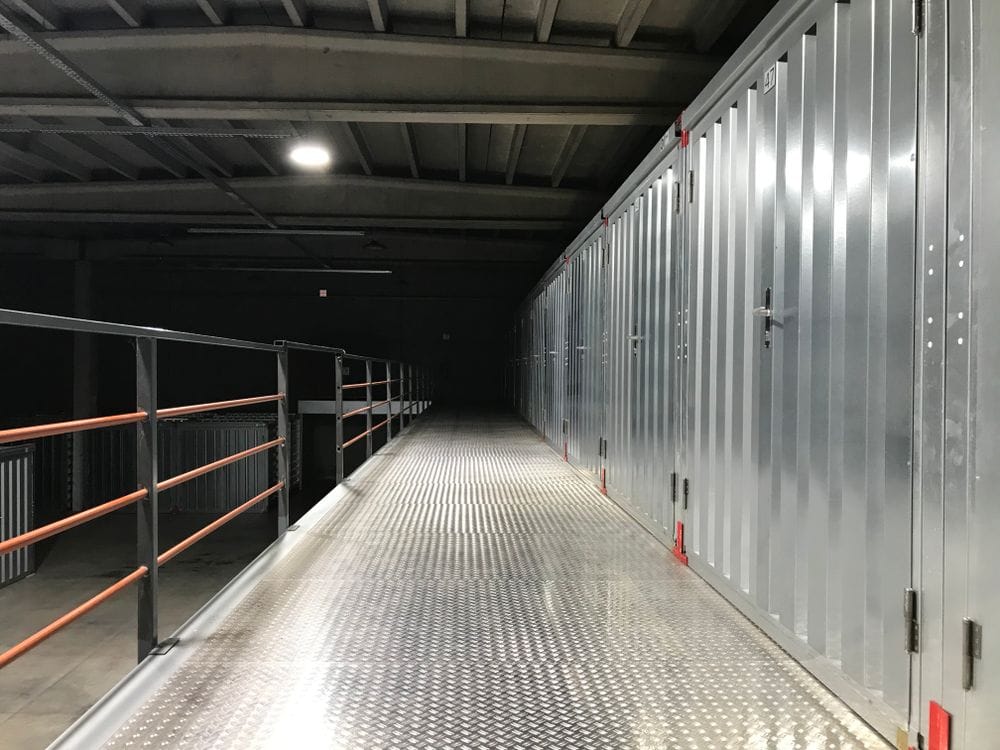
Her code opens the gate, her floor and nothing else. She nominates her brother; his entries are logged like hers. Months later a card expires, and access quietly pauses itself until the payment is put right.

Recurring Billing & Payments
Month two: the invoice raises itself on the right date, the stored card collects, and the receipt arrives in her own language. Nobody ran a billing day. The books already agree, because nothing was typed twice.

Parcels & Added Services
A parcel arrives for 3C at reception. The system books it against her unit, sends her a pickup code, and adds the handling fee to next month’s invoice. Small services, invoiced without anyone remembering to.
Occupancy & Reporting
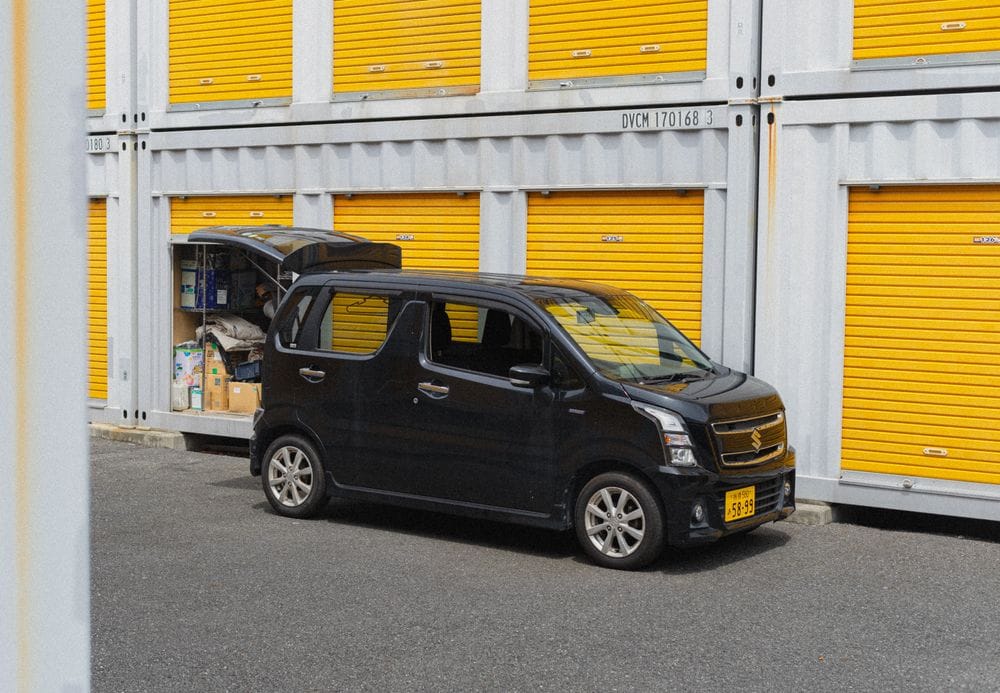
Eight months on, she gives notice. Final bill, deposit return and cleaning are settled the same day, and 3C is back on the website by evening. The owner sees occupancy hold, in numbers, not guesswork.

What Is Self Storage Software?
Self storage software is one system that runs a storage business end to end: unit availability, online booking, contracts, gate access, recurring billing and occupancy reporting, all working from a single customer record. Instead of separate tools for the website, the gate and the accounts, every step updates one record, once.
Index World helps self-storage operators replace fragmented workflows with one connected platform. We bring reservations, customer management, contracts, billing, payments, maintenance, and reporting together, giving your team complete visibility across every facility while reducing manual work and improving operational efficiency.
This is not theory for us. A German smart self storage operator runs around 375 rooms on a system we built and still support: online booking, subscription billing, shared access, parcels and move out settlement, delivered across nearly four hundred logged pieces of work. Similar builds across other industries are in our case studies.
Why web based self storage software matters
Web based self storage software means the counter, the gate and the owner’s phone all read the same live system, with nothing installed in the site office to maintain or lose. Cloud based access also makes remote and after hours operation practical: the software becomes the manager on duty.
When the Gate and the Ledger Disagree
Disconnected Unit Availability
Units get held in one place, sold in another and cleaned in a third, the gap storage unit software closes. Without one live picture of what is free, staff quote from memory and a unit gets promised twice.
Slow Customer Onboarding
A customer ready to rent should not have to wait for a callback. When quoting, identity checks, contracts, deposits and first payment are separate steps owned by separate people, the moment of intent passes and the enquiry cools.
Missed Recurring Payments
Recurring collections fail for ordinary reasons: an expired card, a mandate that was never stored, a bank rejection. If nobody is told automatically, the first sign is a customer already in arrears.
Access that does not match the contract
Entry rights should follow the agreement: granted on payment, shared with the people the customer nominates, and withdrawn cleanly at move out. Managed by hand, this is where security risk and awkward conversations come from.
Move outs that leak margin
Final billing, deposit returns, cleaning charges and putting the unit back on sale are easy to get slightly wrong. Small errors repeated across hundreds of move outs add up to real money and to customers who leave unhappy.
No single view across sites
Each location keeps its own version of occupancy, pricing and performance. Ownership ends up waiting for a month end spreadsheet to answer questions that should take seconds, and comparing sites becomes guesswork.
Self Storage Management Software

What Changes at the Counter and the Gate
The gains are not theoretical. They show up in how quickly you rent a unit, how reliably you get paid, and how confidently you open the next site.
Rent in minutes: A customer can find a unit, agree the terms and pay without speaking to anyone, at any hour of the day.
Access on their terms: Entry through a mobile app or an on site terminal, shared with the people they choose to nominate.
Clear communication: Confirmations, reminders and receipts arrive automatically, in the customer’s own language.
Help without hold music: Questions and requests are logged, owned and tracked instead of disappearing into a shared inbox.
Fewer empty days: A unit returns to sale the moment it is vacated and cleaned, rather than the next time someone updates a list.
Collections that hold: Stored mandates and automatic retries keep recurring income predictable instead of seasonal.
Arrears caught early: Failed payments surface immediately, while the customer is still easy to reach and the balance is small.
Correct final bills: Move out charges and refunds are calculated consistently, protecting both your margin and your reviews.
Money that reconciles itself: Collections, refunds and bank activity land in the books in the right place, so your finance team reviews figures rather than assembling them.
Less re-entry: Information is captured once and used everywhere it is needed, from the contract to the accounts.
Fewer manual checks: Routine reconciliation and status chasing happen in the background rather than filling someone’s morning.
Clear ownership: Every request has an owner and a status, so nothing sits unattended between two people who each assumed the other had it.
Faster onboarding of staff: New team members learn one process instead of inheriting six undocumented workarounds.
Open without rebuilding: A new location inherits the way you already work, with its own pricing and its own stock of units.
Local where it matters: Language, tax treatment and pricing set per site, with reporting consolidated for ownership.
One customer, many sites: Customers can hold units in more than one location under a single account and a single conversation.
Comparable performance: Every site is measured on the same basis, so you can see which ones are working and why.
Connect the Tools You Already Run
Most storage operators already pay for tools that work well. The value comes from connecting them, so information moves
Payments and Direct Debit
BillingStripe cards, GoCardless direct debit and digital wallets tie to the rental agreement, including stored mandates, refunds and payments that failed.
First payments and renewals collect themselves, receipts and all.
Accounting, Banking and QuickBooks
FinanceIf the business runs on QuickBooks we migrate or connect it, so invoices, payments and refunds reach the books once. We built this for a multi site European operator.
Occupancy, takings and the ledger agree without retyping.
Website and Online Rentals
RentalsSelf storage website software connected to the gate and the ledger shows live availability by size, takes the payment and opens the account.
A 2 a.m. move-in rents, pays and gets a gate code without a call.
Gate Access and Smart Locks
AccessPTI Security, DoorKing and Nokē smart locks connect to the agreement, so entry opens when payment clears and closes cleanly at move out.
Entry follows the money: paid opens, overdue overlocks, nobody drives to site.
Kiosks and After Hours Automation
AutomationA kiosk rents units when nobody is at the desk. Kiosks are the visible half of self storage automation software; the quieter half issues gate codes and chases arrears.
The counter keeps renting after the counter goes home.
Moving Off SiteLink or storEDGE
MigrationWe migrate history from SiteLink, storEDGE or Easy Storage Solutions onto a system you own, and we will say plainly when staying put is the better answer.
Unit history, balances and codes come across reconciled, not retyped.
Do not see the tool you run? An open API means if it can talk, we can connect it.
Five Tools Today. One System After.
This is the swap storage operators actually make: not another subscription, but replacing the pile that grew one tool at a time.
What the operation runs today
- SiteLink or storEDGE for contracts, priced per door, every month
- A separate website tool that does not know what is genuinely free
- The gate system on its own island, updated by hand
- QuickBooks that only the bookkeeper can read
- Arrears chased from a spreadsheet when someone remembers
What it becomes on one system
- Website, counter and phone sell from the same live availability
- The booking writes the contract, the contract issues the gate code
- Gate access follows payment on its own
- Books that reconcile as collections happen
- Arrears surface the day a card fails, not at month end
Nobody switches overnight, and you should not either. We move one workflow at a time, prove it, then move the next. See how a platform switch runs.
How It Works, Your Path to Go-Live
The same path we have followed with storage operators before: understand the business first, change it deliberately, and stay involved after launch.
- Discovery & process auditWe map how your business actually runs today, site by site, and document where time, cash and occupancy are being lost.
- Solution designWe agree what good looks like, confirm which gaps are worth closing first, and set clear expectations for what changes and when.
- Build & configureYour way of working is set up and tailored where it needs to be, with your real customer, unit and financial history brought across.
- Train & go liveYour team is trained on the process, not just the screens, and tests it themselves before anything is switched over.
- Optimize & growWe stay involved after launch, watching how the operation performs and refining it as you add sites and services.

Self Storage Software for Small Business
A single site does not need enterprise anything. It needs one system that does the counter’s job: show what is free, take the booking, collect the rent. A single site is usually paying four subscriptions: the platform, the website tool, the gate and the accounts. This is one.
On self storage software cost: per door platforms look cheap until the doors multiply, and the website, gate and accounting add ons arrive on top. Building on Odoo, licensing starts around $31 per user per month, and our delivery is a fixed monthly scope with no hourly billing, started with a one month, no obligation engagement. Full detail is on our pricing page.
Got questions? We’ve got answers.
What is self storage software?
Self storage software runs a storage facility from one system: live unit availability, online bookings, digital contracts, gate access rights, recurring billing and occupancy reporting. The point is one record per customer, so the website, the gate and the accounts stop disagreeing with each other. It replaces spreadsheets and disconnected single purpose tools.
How self storage software handles payment processing
Cards and direct debit mandates are stored with the agreement, so the first payment and every renewal collect on schedule. Failed collections retry automatically and surface the same day, while the balance is small. Refunds and deposit returns follow the same rules, and every movement lands in the accounts without retyping.
How self storage management systems improve tenant experience
A tenant books a unit at 9pm, signs on a phone, pays and gets a gate code in minutes. After that, a portal handles invoices, payment details and shared access, and reminders arrive in the tenant’s own language. Fewer phone calls for them usually means fewer for your counter too.
How to automate self storage
Map the journey and remove the manual handoffs one by one: online booking that creates the contract, payment that issues the gate code, billing that raises itself, arrears that pause access, move outs that settle and re list the unit. Start where the most cash or hours leak, not with everything at once.
What is self storage management software?
Self storage facility management software is the operator’s back office: pricing, contracts, collections, access rights, maintenance and reporting across sites. It is distinct from your public website, though the two should share one record. If the counter retypes what the website already knows, the systems are separate in the way that costs money.
What is the best self storage software?
The honest answer: it depends on whether you want to rent software or own a system. Per door platforms such as SiteLink and storEDGE suit standard operations, and smaller single site tools sold as mini storage software or storage rental software cover the basics for one facility. Custom builds on Odoo suit operators with their own model, multiple sites or pricing the platforms cannot express. Odoo is where we are certified and where most of these builds land, though we deliver the same on Sage, NetSuite, Microsoft Dynamics and ERPNext when a group already runs one of them. A short audit settles it quickly.
Which is a safe and secure self storage management software?
Look for role based permissions, a full log of who opened which door and when, payment details held by the payment provider rather than in spreadsheets, and reliable backups. Safety is mostly the software enforcing the contract: access that pauses when payment lapses and closes completely at move out.
How secure is self storage?
Physical security is gates, locks and cameras. The software’s share of it is keeping access rights matched to the contract at all times: codes that work only for paid up customers, shared access granted and withdrawn deliberately, and an entry log your team can actually check when something looks wrong.
What does self storage software cost?
Mainstream platforms price per unit per month, so the bill grows with every door, and website, gate and accounting add ons stack on top; treat published figures as industry estimates. Building on Odoo, licensing starts around $31 per user per month and our work is a fixed monthly scope with no hourly billing.