

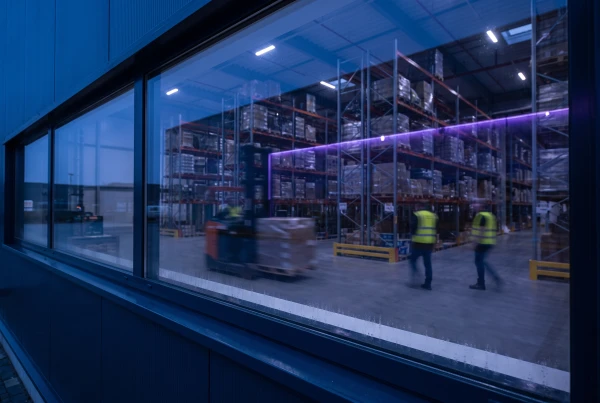

Logistics Software Development for Brokers, 3PLs and Shippers
A load leaks money in the gaps: the tender nobody answered in time, the detention nobody billed, the accessorial found at the dock instead of on the rate confirmation. Most of that is not a people problem. It is three systems that never agreed on the same load.
We build custom logistics software and connect it to the TMS, WMS, carrier APIs and EDI you already run, so one load carries one record from tender to settlement.


Follow One Load, Tender to Settlement
A single truckload, from the moment it is offered to the moment the carrier is paid. Every stage below is a point where software either holds the thread or drops it.
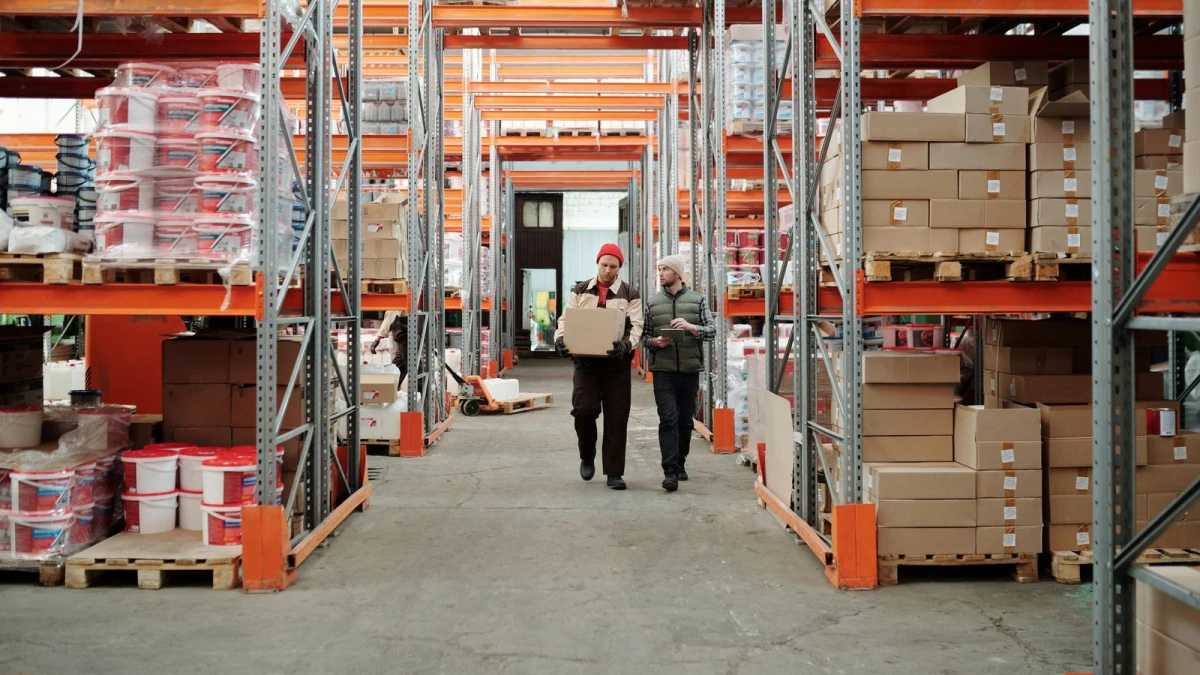
The tender
A 204 arrives carrying stops, appointment windows, equipment type and a rate. Your desk either sees it in seconds or finds it in an inbox an hour later, after the routing guide has already moved on.

Accept, not acknowledge
The 997 that came back only says the file parsed. A truck is committed when a 990 returns with an A. Treat the two as the same event and you will book loads nobody agreed to carry.
Dispatch against the clock
The load goes to a driver with hours left on the clock, not simply to a truck that is idle. Plan without the remaining hours of service and the delivery appointment is missed before the wheels turn.

In transit
214 messages land against the same shipment the tender created: arrived at pickup, departed, en route, estimated delivery. Customer service stops ringing the driver to ask where he is, and the exception report writes itself.
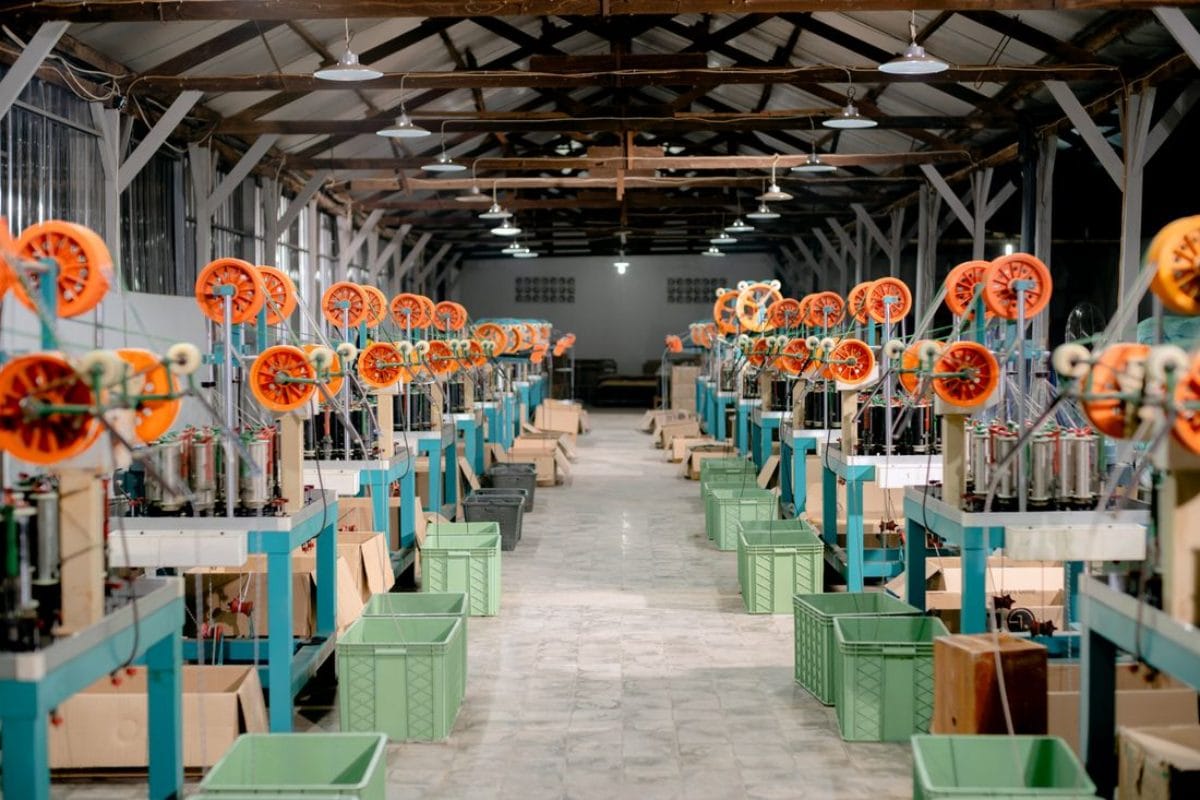
Delivery and the POD
Signed clean, the freight is presumed to have arrived in good order. Noted at the dock, two cartons crushed and three pallets short, the claim survives. That distinction is worth more than any dashboard.

Invoice and settlement
The 210 is audited against the tendered rate before anyone pays it: linehaul, fuel, accessorials. Charges agreed on the rate confirmation get paid. Charges discovered afterwards become deductions and phone calls.

What Is Logistics Software Development?
Logistics software development is building the system your operation actually runs on, rather than bending the operation to fit a product someone else designed. It means three things: a core that holds orders, loads, stock and money in one place; integrations to the TMS, WMS, carrier and load-board systems you already pay for; and custom work for whatever your business does differently.
What we build, and when you do not need us
Odoo carries most of what we build for freight, and it is where we hold the certified partnership. Sage, NetSuite, Microsoft Dynamics and ERPNext are delivered by the same team, so the platform follows your lane structure rather than the other way round. That makes us useful when you need a system that is genuinely yours, at a fraction of what an enterprise TMS costs to licence. It also makes us the wrong answer sometimes: a 20-truck asset carrier who mainly needs dispatch and settlement is better served by a purpose-built TMS, and we will say so on the first call.
Where we earn our place is the seam. Most mid-market operations already run a TMS, a warehouse system, two or three carrier APIs and a visibility network. The job is rarely replacing them. It is making them agree about the same load, and putting the result somewhere finance can reconcile. That seam is what our logistics software development services cover, and it is why custom software development for logistics turns out to be integration work under a different name. Our team does it as dedicated developers or as a fixed-scope build, and our consultants scope it before anybody writes code.
Where Freight Loses Money to Software
A parse mistaken for a promise
The acknowledgement came back, so the load looked covered. It was not. Nobody read the response that actually commits a truck, and the routing guide had already moved on by the time anyone checked.
Detention that never got billed
The driver sat four hours at a receiver. Free time ran out at two. Nobody logged the in and out times against the load, so the charge died quietly and the margin went with it.
Three systems, three versions
Dispatch says delivered, the warehouse says short, accounting bills in full. Each is reading its own record, and none of them is wrong. The customer hears whichever one answers the phone first.
Accessorials found at the dock
A liftgate, a lumper, a redelivery. Agreed on the rate confirmation, they get paid without argument. Discovered afterwards, they turn into a deduction, a dispute and an afternoon on the phone.
Onboarding that checked once
Authority and insurance were verified the day the carrier signed up. Nothing has re-checked since. Unlawful brokerage is the most-reported fraud in the industry, and one-time vetting is how it gets in.
Freight bills AP cannot audit
A standard invoice has nowhere to put a PRO number, a SCAC, or a prepaid and collect flag. So the freight bill gets approved on trust, and overcharges are found months later or never.
What We Build for Logistics Operations
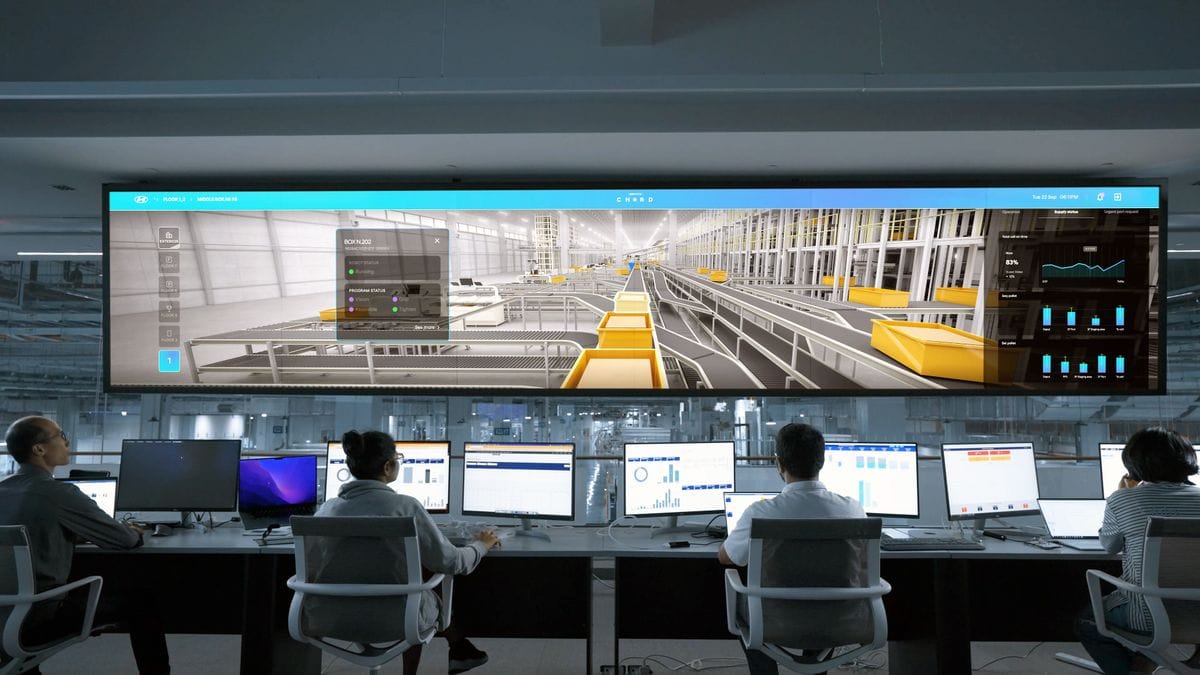

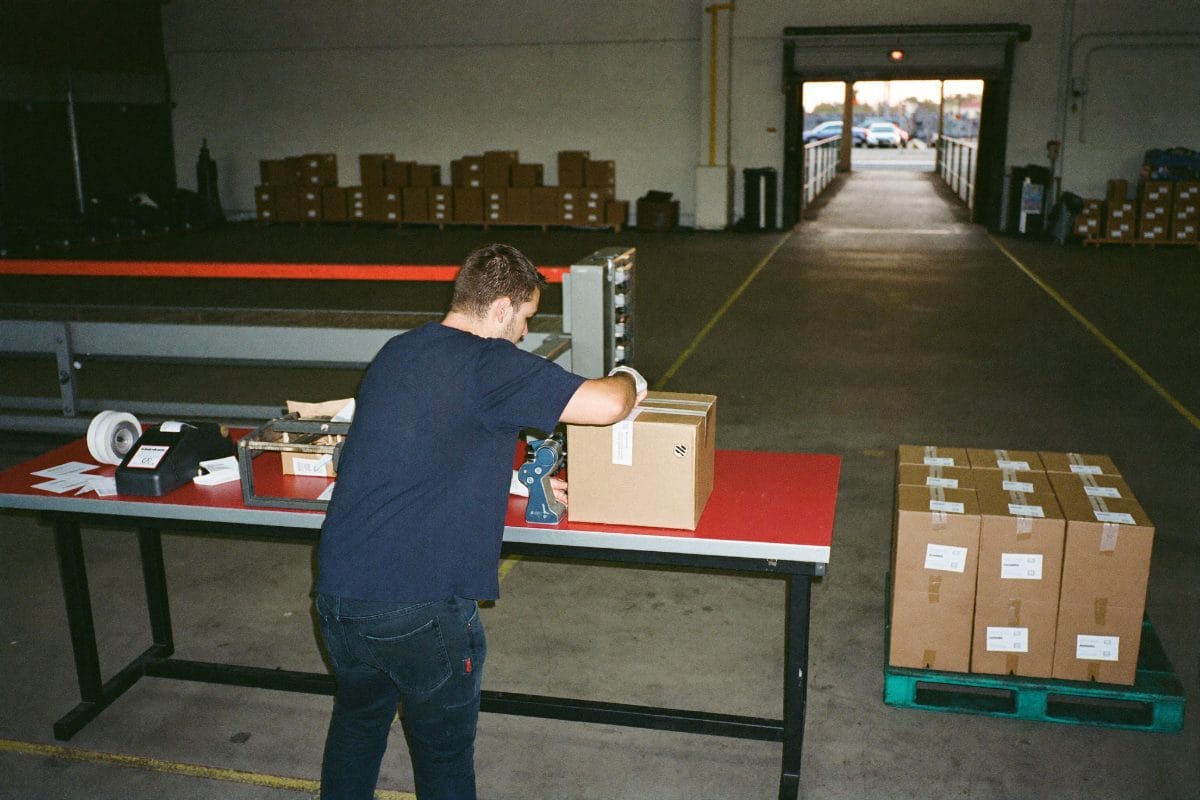

How a Logistics Build Actually Runs
A phased implementation path that starts with the lane costing you the most, and proves it in production before touching the next one.
- Ride along for a weekWe sit with dispatch, the dock and the billing desk and watch a load move end to end. The gaps are always in the handoffs, and they are never where the org chart says they are.
- Map what already talksWhich partners are on EDI and which are on email. Which carrier APIs you hold credentials for. What your visibility provider will and will not give you. This decides scope more than any wish list.
- Build the load record firstEverything else depends on one identifier that survives from tender to settlement. Get it wrong and every integration afterwards inherits the mistake.
- Connect one partner, then prove itA single trading partner goes live against real volume while the old process still runs beside it. We compare both for a full billing cycle before anything is switched off.
- Move the money lastSettlement and freight audit go live once operations are stable. Nobody should be debugging an integration and a payment run in the same week.
- Stay on after go-liveTrading partners change specs, carriers change APIs and rules drift. Flat-rate ongoing support keeps the connections working without an hourly meter running.

Why Logistics Operators Work With Us
We learn the dock before we design
Free time, appointment rules and who pays the lumper differ at every receiver you serve. We map yours before anything is configured, so the build follows your operation rather than a template.
Order and stock sync is what we already do
Distribution clients run on builds we made and still maintain: orders, stock and shipping kept in step across marketplaces and warehouses, including partial deliveries that most systems handle badly.
One lane at a time
Nobody switches a freight operation overnight, and you should not try. We move one workflow, prove it against live volume, then move the next. The old process stays up until the new one has earned its place.
See how the order, stock and shipping work was done in our client case studies.
Keep the Systems Your Freight Runs On
A mid-market operation already runs a TMS, a warehouse system, several carrier accounts and a visibility network. Replacing all of that is rarely the job. Making them agree about the same load is.
Your TMS
McLeod, Turvo, Trimble, Rose Rocket, Alvys, Tai
Dispatch lives in the TMS and finance elsewhere, reconciled by hand at month end.
Loads, statuses and charges flow both ways, so the operational record and the ledger stop disagreeing.
Your warehouse system
Extensiv, Logiwa, ShipHero, Deposco, Manhattan
The warehouse knows what shipped and when. Billing finds out from a spreadsheet a week later.
Receipts, picks and shipments post as they happen, so activity billing and stock balances stay honest.
EDI with your partners
204, 990, 214, 210, 856, 940, 945, 997
Every partner has its own spec, and rejected files surface when a load goes missing.
Maps built per partner with failures raised as work, not silently logged where nobody looks.
Visibility and load boards
DAT, Truckstop, project44, Descartes MacroPoint
Tracking lives in a portal your team keeps open in another tab and copies by hand.
Position and milestone data lands on the load itself, so one screen answers where the freight is.
Parcel and LTL carriers
FedEx, UPS, TForce Freight, EasyPost, ShipEngine
Rating and label printing happen in each carrier’s own tool, then get re-keyed.
Rates come back against your negotiated tariff and labels print from the shipment record. See multi-channel fulfilment.
Accounting and freight pay
QuickBooks, Xero, Sage, bank feeds
Freight bills get approved on trust because accounting cannot hold a PRO number or a SCAC.
Carrier invoices arrive structured, get audited against the agreed rate, and post with the load attached.
If a partner exposes an API or a file drop, it can be connected. See how we scope and build connections in Odoo integration services, or automate the manual steps around them with business process automation.
Six Tools Today. One Record After.
This is the swap logistics operations actually make. Not another portal on top of the pile, but one place the load exists while the specialist systems keep doing what they are good at.
What the operation runs today
- Tenders arrive by email and get typed into the dispatch system by hand
- Tracking is copied from a carrier portal into a customer update twice a day
- The warehouse reports what shipped on a spreadsheet at the end of the week
- Detention and lumper charges are remembered, or they are not billed at all
- Carrier invoices are approved because checking each one takes longer than paying it
- Lane margin is worked out after the month closes, from three exports
What it becomes on one record
- Tenders create the load automatically and the response commits or declines it
- Milestones post themselves and the customer sees the same status your desk does
- Warehouse activity posts as it happens and reaches the invoice the same day
- Time on site is captured against the stop, so the charge exists before anyone asks
- Invoices are matched to the agreed rate and only variances reach a person
- Margin per lane is a report, because cost and revenue sit on the same load
The objection we hear most is that freight cannot afford downtime, and that is correct. Nothing gets switched off until the replacement has run beside it through a full billing cycle. See how a platform switch runs.
Got questions? We’ve got answers.
What is logistics software?
Logistics software is the category name for the systems that move freight and the goods inside it. In practice it splits into a few products that do different jobs: a transportation management system for planning, tendering and paying for movement; a warehouse management system for what happens inside the building; visibility platforms for where the freight is right now; and load boards for finding capacity. Most operations run several of these at once, which is why the interesting work is usually the connections between them rather than any one product.
What is logistics management software?
It is the layer that plans and controls movement rather than executing it: what gets shipped, on whose truck, at what rate, against which appointment, and whether it arrived on time and complete. Where it differs from a warehouse system is scope. A warehouse system cares what happens between the receiving dock and the shipping dock. Logistics management software cares about everything either side of that, including the money.
What software do logistics companies use?
It depends what kind of company it is. Asset carriers and brokers tend to run McLeod, Trimble, Turvo or one of the newer mid-market systems such as Rose Rocket or Alvys. Third-party warehouses run Extensiv, Logiwa, ShipHero or Deposco. Large shippers run Oracle Transportation Management, SAP or Blue Yonder. Nearly everyone runs some EDI, at least one carrier API, and an accounting system that knows nothing about freight. That last gap is where we are usually called in.
Which is the best software for logistics?
There is no single best system, and any firm that names one without asking what you haul is selling you something. The honest version of the answer is that the right choice follows your role. If you are an asset carrier who needs dispatch and driver settlement, buy a purpose-built carrier TMS. If you are a 3PL billing for storage and handling, start with a warehouse system that understands activity billing. If your problem is that four systems disagree and finance cannot close the month, no product solves that, because the problem lives between products. That is the case where a custom build is the cheaper answer.
What is transportation management software?
A transportation management system, usually shortened to TMS, plans and executes the movement of freight: rating a shipment, choosing a carrier, tendering the load, tracking it, and settling the freight bill afterwards. Worth knowing before you search for it, the acronym TMS is also a medical term, so most of the search results for the three letters alone have nothing to do with freight. Use the full phrase when you are researching.
How does 3PL software reduce logistics costs?
Mostly by capturing revenue that was already earned rather than by cutting spend. Third-party warehouses routinely under-bill because handling, kitting and rework are done and never recorded, and storage is estimated instead of calculated. On the outbound side, the savings come from billing detention that currently gets forgotten, and from auditing carrier invoices against the rate that was actually agreed. In our experience the recovered revenue is a larger number than the efficiency gain, and it arrives sooner. General ledger tools will not find it either, because logistics accounting has to understand a freight bill rather than treat it as one more invoice.
How much does custom logistics software development cost?
We quote a fixed price against a written scope, and we do not bill hourly, including for migration work. What moves the number is not the feature list but the integrations: one clean EDI partner and a single carrier account is a small project, while nine trading partners each with their own spec, a legacy TMS with no API, and freight audit on top is a large one. Published industry ranges for custom logistics builds run from roughly twenty thousand dollars to several hundred thousand. Treat that as market context rather than as a quote from us, and ask for scope before anyone gives you a figure.
Should we build custom software or buy a logistics product?
Buy, if a product already does the job. Dispatch, driver settlement and warehouse execution are all mature categories, and you will not out-build them for the money. Build when the thing costing you margin is specific to your operation, when it spans systems that will not talk to each other, or when the product you would buy needs so much configuration and per-seat licensing that the maths turns around. The most common outcome we deliver is neither extreme: keep the specialist products, build the record and the connections that hold them together. When you do go shopping for a logistics software development company, the useful question is not what they can build. It is what they would talk you out of building.
Do you work with freight brokers as well as shippers and 3PLs?
Yes, though the work differs. A broker’s problems are carrier vetting, tender acceptance, margin per load and paying against assignment notices correctly. A 3PL’s are activity billing, inventory by owner and client reporting. A shipper’s are routing guide compliance, appointment adherence and freight audit. Our distribution and order-sync experience maps most directly onto shipper and 3PL work, and we will say plainly where our track record is thinner rather than claim it covers everything.
Start With the Load That Costs You Most
You do not need a platform decision to begin. Pick the lane, the customer or the trading partner where the manual work is worst, and we will map how that one load moves today, where it drops the thread, and what it would cost to fix. If the answer is that you should buy a product instead of building anything, we will tell you that on the call.