

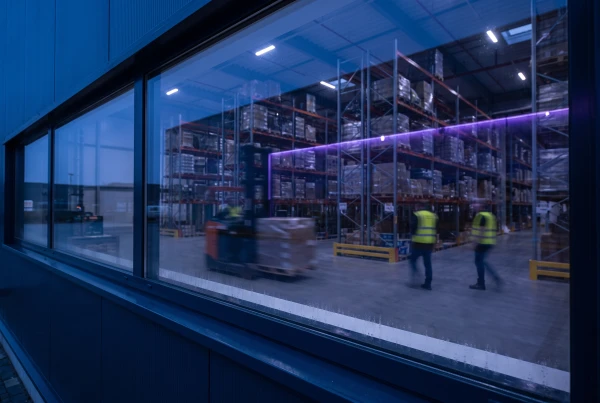

Print on Demand ERP From Order to Shipment
From product catalog and order routing to printing, packing, and shipping, Index World implements print on demand ERP, so every customer order is printed, packed, and shipped in one connected system.
We connect your eCommerce stores, print queues, fulfillment centers, and finance, with real-time visibility from the order dashboard to the P&L.
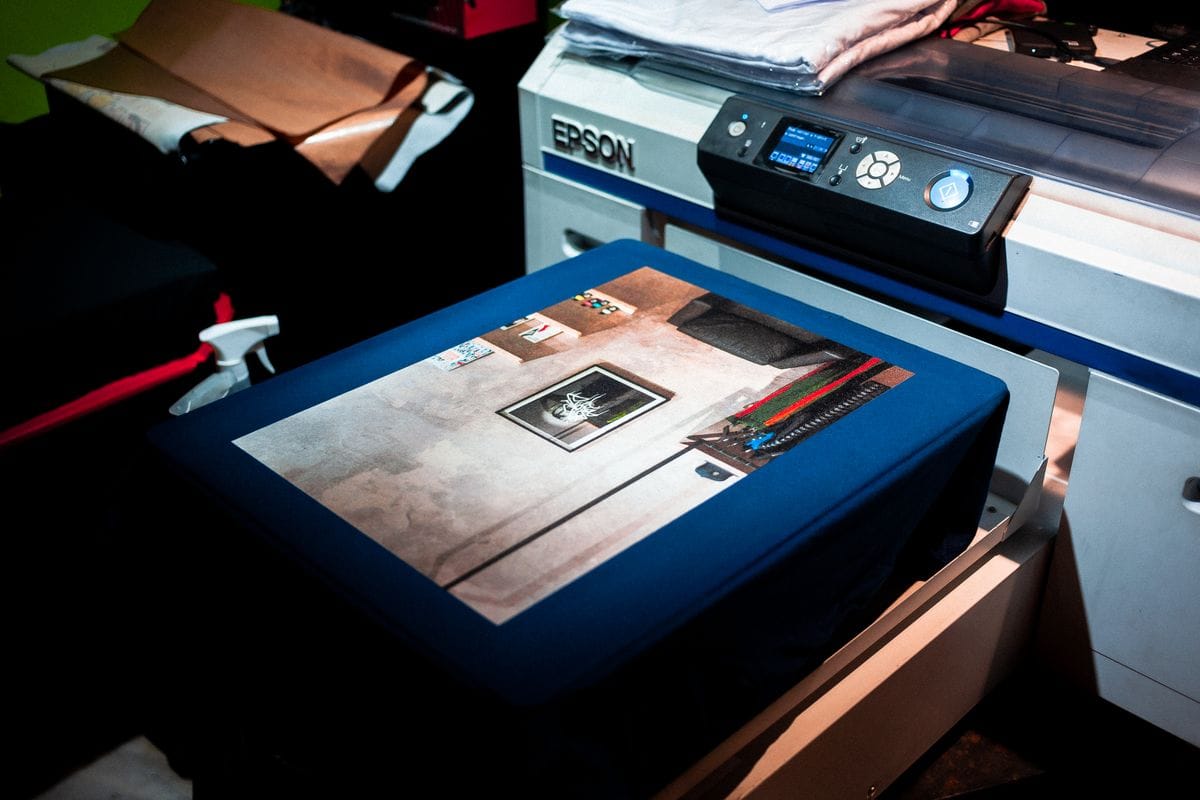

Built for How POD Businesses Run
From capturing a customer order to delivering the finished product, see where Index World puts one connected system to work across your print operation.
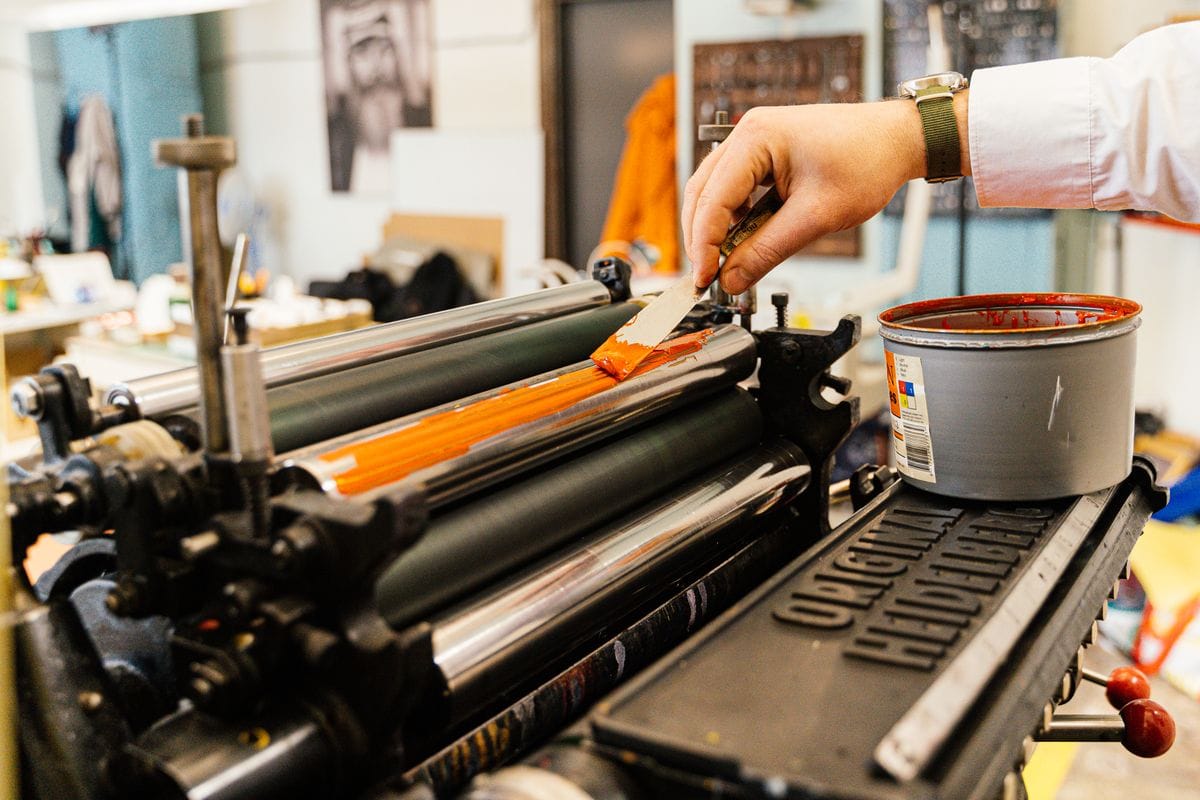
What is print on demand ERP?
Print on demand ERP is one system that carries an order from the storefront through artwork, print queue, production and shipment, holding the SKU, the variant and the margin on the same record. It replaces the gap between a storefront plugin and an accounting file.
Index World builds end-to-end systems for print-on-demand businesses. Most of that work is built on Odoo, where we hold the certified partnership and carry the most experience, and we also deliver on Sage, NetSuite, Microsoft Dynamics and ERPNext. If your order profile points to one of those, we say so rather than sell you ours. We replace the disconnected eCommerce plugins, manual print queues, and spreadsheet-based fulfillment tracking that slow you down as order volume grows.
Where the build lands on Odoo, these are the modules POD businesses run on: eCommerce, Sales, Inventory, Manufacturing, Purchase, Shipping, and Accounting, all on one platform, so a customer order, its print job, and its true cost live in the same system.
Why it matters
Print on demand runs on speed, accuracy, and thin margins. A mis-routed order or a late shipment costs you a customer review. Index World gives you one source of truth from the storefront to the shipping label, so you fulfill on time, every time, at a cost you can measure.
Industry Challenges We Solve
Multi-channel order chaos
Orders pouring in from Shopify, Etsy, WooCommerce, and Amazon with no single routing system leads to missed prints and delayed shipments.
SKU explosion
Hundreds of product variants in sizes, colors, materials make catalog management, pricing, and inventory tracking a manual nightmare.
Production bottlenecks
Without a real print queue tied to orders, rush jobs clash with standard runs and capacity is invisible until it is too late.
Shipping cost control
Manual carrier selection and no rate-shopping means you pay more than necessary to ship, squeezing already tight margins.
Returns management
Handling reprints, refunds, and replacements without a structured returns flow creates customer friction and untracked losses.
Disconnected systems
Separate storefronts, print software, shipping tools, and accounting means no single view of order status, cost, or profitability.
Features Built for Print on Demand

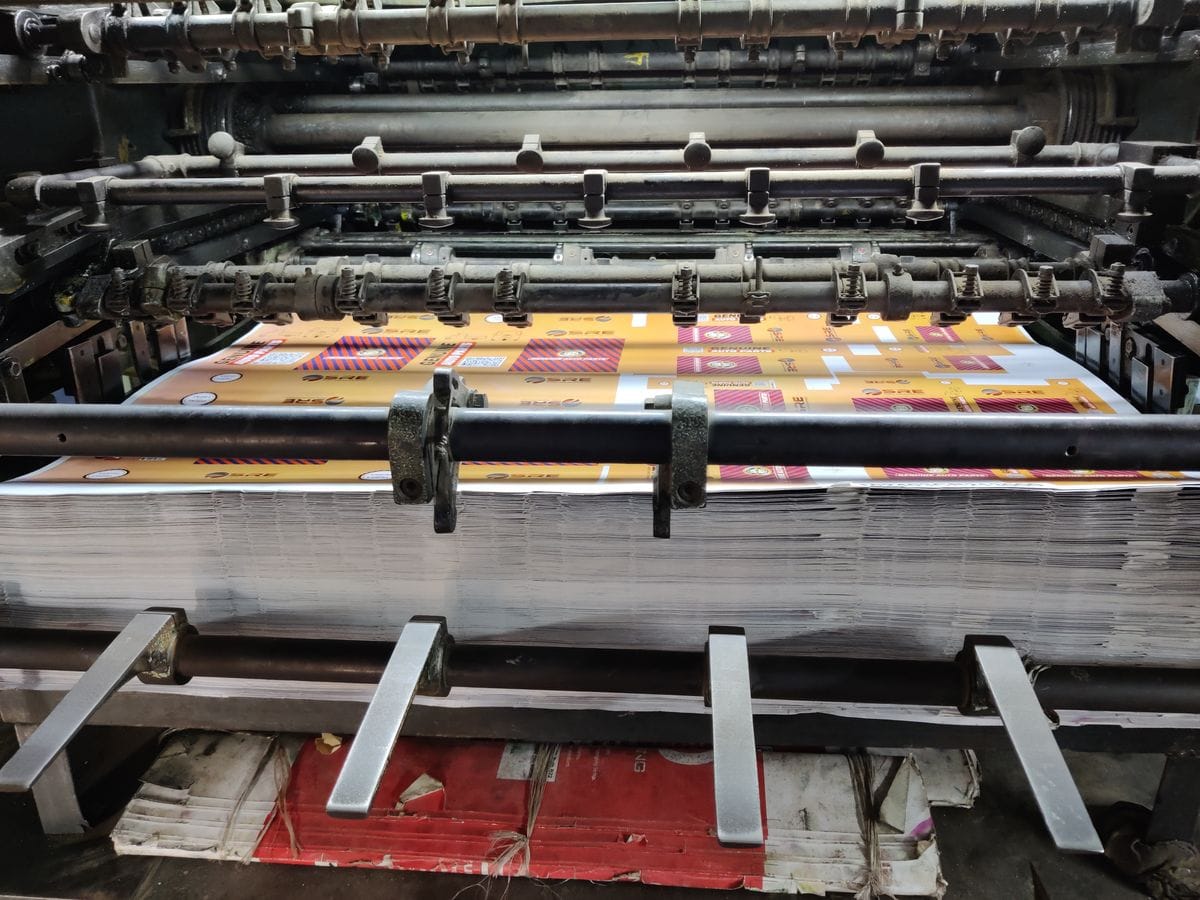
Artwork Approval and Preflight
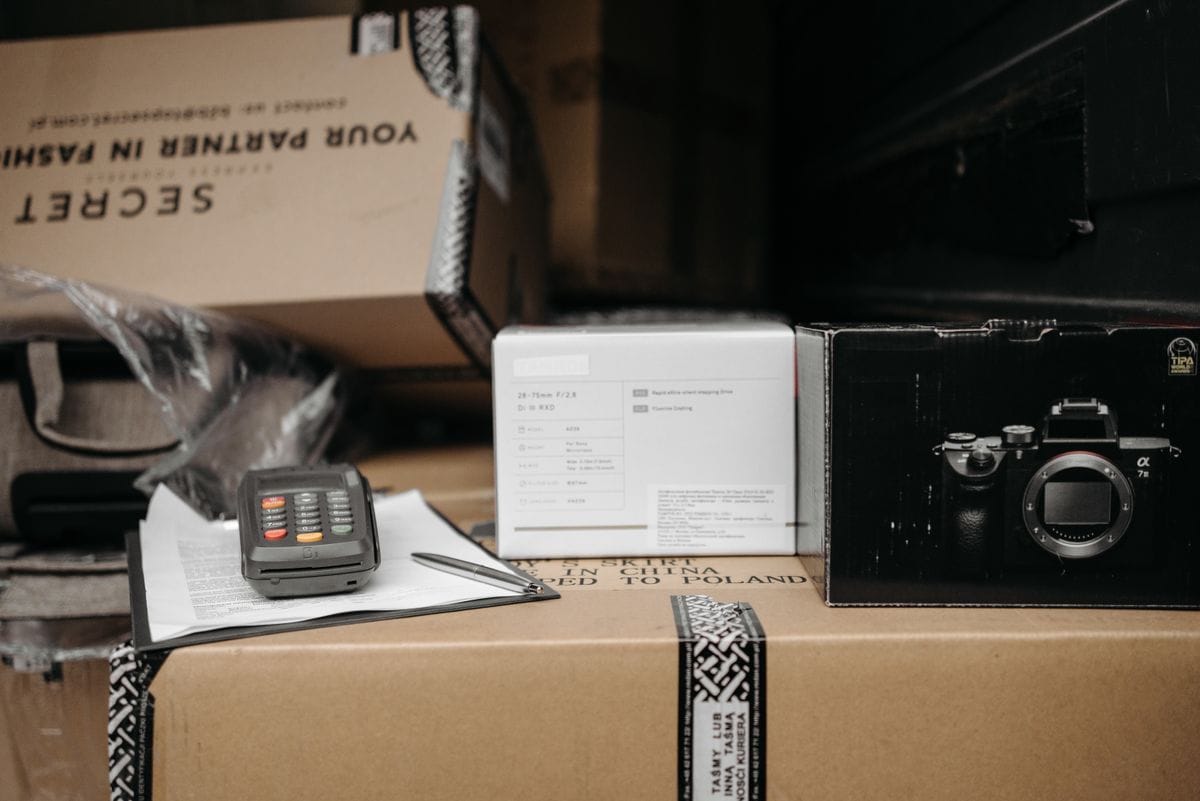
Order 8842 does not go straight from checkout to the press. The buyer uploaded a PNG saved for a screen, and somewhere between checkout and print that file has to be caught. In a connected system the artwork carries its own approval status on the order: received, checked, approved for print. Nothing enters the print queue until the file passes, and the order shows exactly which step it is waiting on.
Preflight is where the money is saved quietly. The checks are the ones every operator already knows: resolution at print size, color space, transparency flattened, print area matched to the blank and the placement. A file that fails RIP after the press is loaded costs a press slot and an operator’s morning. The same file caught at preflight costs one templated email to the buyer.
The file that fails RIP
When a file does fail at the RIP, the job does not disappear into a shared folder. The work order drops to an artwork-hold status, the request for a corrected file goes out from the order itself, and the rest of the batch prints without it. 8842 keeps its place in the plan instead of resurfacing three days later as a message from an unhappy buyer.
Gang Runs, Blanks and the Queue
Once 8842 is approved, it is one line among hundreds of open print jobs, and the scheduler’s question is never one order at a time. It is which jobs share a blank, an ink set and a press, and can run together as one gang. Small DTF jobs from different storefronts gang onto one roll; the white hoodie in 8842 batches with every other white fleece job due in the same window.
That batching logic is what the production queue exists for. Work orders group by press and by blank, an operator claims the batch, and every order in it moves to printing together. Due dates come from the marketplace promise on each order, so the gang is built around the tightest ship-by date in it, not around whichever order happened to arrive first.
Blanks bought against the queue
Blanks purchasing stops being a shelf-count guess. Reorder points run off the open order queue: the system sees the fleece committed to this week’s jobs, nets it against what is on the shelf and already on order from the supplier, and raises a purchase for the gap. The press never waits on a box of blanks nobody ordered, and cash stops sitting in colors that are not selling.
Misprints, Reprints and Ship-By Dates
What happens after the press decides whether the margin survives. This is the part of the day most storefront tools never see.
Misprints hit the job, not a guess
A banding streak partway through the 60-piece run is scrapped at the press. The blank and the ink for that piece write off against the job’s cost, so cost per print reflects what production actually consumed, and the misprint rate becomes a number you can pull by press, by blank and by design.
Reprints jump the queue, cost attached
The replacement piece becomes a reprint work order linked to the original, flagged automatically to jump the queue so the parcel still leaves on time. Its blank, ink and labour land on the same job, so a design that misprints every week shows up in the margin report before it eats the month.
Labels batch to the tightest promise
Packing runs are cut by carrier and by marketplace promise. An Amazon ship-by date is not an Etsy processing window, and the label batch respects both: orders due out today get labels together, the manifest closes once, and the marketplace SLA is enforced by the queue instead of remembered by the team.
How It Works, Your Path to Go-Live
From the first call to launch day and beyond, we follow a clear, proven path, so your team goes live without the chaos, and keeps improving after launch.
-
Discovery & process audit We map your order channels, print workflows, fulfillment steps, and shipping setup end to end.
-
Solution design We blueprint your system: routing rules, BOMs, print queues, carrier integrations, and reporting.
-
Build & configure We implement, migrate your product catalog and order history, and connect your storefronts and carriers.
-
Train & go live Your team is trained on real workflows, we cut over, and you go live with support on day one.
-
Optimize & grow Post-launch we tune routing, shipping rules, and dashboards, and scale as you add channels or locations.
Keep Your Storefronts and Presses
We connect the tools the print floor already depends on rather than replacing them. Integration work sits inside the same fixed monthly fee. For each tool, here is what stays and what changes on the day you switch.
Storefronts and marketplaces
Shopify, Etsy, WooCommerce, Amazon
What stays: your listings, themes, reviews and checkout. Buyers keep ordering exactly where they already do.
What changes: storefront orders flow into one production queue as they are placed, and stock and tracking sync back the other way.
Artwork and design files
Adobe files, mockup generators, customer uploads
What stays: designers keep working in the Adobe tools and mockup generators they already know.
What changes: the finished file is versioned on the order record, so the press pulls the approved artwork, never a stray copy.
Presses and RIP software
DTG, DTF, sublimation, RIP queues
What stays: your presses, your RIP software and the profiles your operators have already dialed in.
What changes: the print queue feeds each press in ready-to-run batches, and job status posts back as work is claimed and completed.
Shipping and labels
UPS, USPS, carrier label printers
What stays: your carrier accounts, your negotiated rates and the label printers on the pack bench.
What changes: batch labels purchase against packed orders, and tracking writes back to each storefront on its own.
Accounting
QuickBooks, Xero
What stays: QuickBooks or Xero, for as long as your accountant wants to keep them at year-end.
What changes: sales, marketplace fees and refunds post per channel, so the books reconcile against the payout, channel by channel.
Cost and margin per job
Blanks, ink, labour, reprints
What stays: the cost model you price from, built on the blanks, ink and labour you already buy.
What changes: blank, ink and labour cost are recorded per job as it runs, and the margin shows which designs actually pay.
Using something not listed here? If it has a way to connect, we can almost certainly join it to your system. Tell us what you run →
Five Tools Today. One Print Floor After.
This is the swap print on demand businesses actually make. Not another app beside the storefront, but one system carrying an order from checkout through artwork and press to the parcel.
What the print floor runs today
- Orders exported from each storefront and imported by hand
- Artwork chased through email, named differently every time
- A production queue that lives on a whiteboard
- Shipping labels bought one order at a time
- Cost per print estimated once and never measured again
What it becomes on one system
- Every storefront order in one queue, automatically
- The approved artwork attached to the order at the right size
- A live queue by press and due date
- Labels generated in batches straight from the orders
- Blank, ink and labour cost carried on every job
Nobody switches overnight, and you should not either. We move one workflow at a time, prove it, then move the next. See how a platform switch runs.
Related: what an Odoo build costs, custom development, and print and packaging case studies.
Got questions? We’ve got answers.
Can Odoo connect to Shopify, WooCommerce, and Etsy?
Yes. Odoo integrates with Shopify, WooCommerce, Amazon, and other channels via native connectors and third-party apps, pulling orders automatically and syncing inventory and tracking back.
How does Odoo handle print-on-demand fulfillment?
Confirmed sales orders automatically trigger print work orders. Once printed, pick-and-pack workflows guide your team to pack and ship, with carrier labels printed directly from Odoo and tracking sent to the customer automatically.
Can it manage multiple print locations or outsourced print partners?
Yes. Order routing rules can direct specific products or regions to different internal print centers or external print partners, with subcontracting flows tracking costs either way.
How long does implementation take?
Timelines depend on the number of channels, product variants, and carrier integrations in scope. We publish a tentative timeline in the first two weeks of engagement.