

Equipment Rental Management Software for Every Asset You Hire Out
Running a rental business is far more than managing bookings. Your team tracks assets, prepares contracts, monitors payments, schedules maintenance, and coordinates deliveries, and as you grow, spreadsheets and disconnected software stop keeping up.
Index World helps rental companies run tighter operations, cut manual work, and scale with confidence, bringing assets, customers, contracts, finance and reporting together on one integrated platform.

ERP Solutions for Rental Businesses
Whether you rent equipment, vehicles, machinery, event supplies, or property, this is where we connect your operation. The same rental logic runs on Sage, NetSuite, Microsoft Dynamics, ERPNext and Odoo alike, so if your finance team is already settled on one of them, it keeps working.
Real-Time Asset Availability
See rented, reserved, returned, and under-maintenance assets across every branch, live, from one screen.

Rental CRM & Lead Capture
Every inquiry from phone, email, web, or WhatsApp becomes a tracked lead with automatic follow-ups.

Quotations & Bookings
Professional quotes in seconds with approved pricing and deposits; assets reserved instantly on confirmation.

Automated Rental Contracts
Agreements generated automatically with standardized terms, correct pricing, and electronic signatures.

Invoicing & Payment Automation
Invoices, due-date reminders, and escalating overdue notices sent automatically, collections without the chasing.

Preventive Maintenance
Service schedules, safety inspections, technician assignments, and full maintenance history per asset.

Returns, Inspections & Deposits
Digital check-in with photos, automatic late fees, damage charges, and transparent deposit refunds.
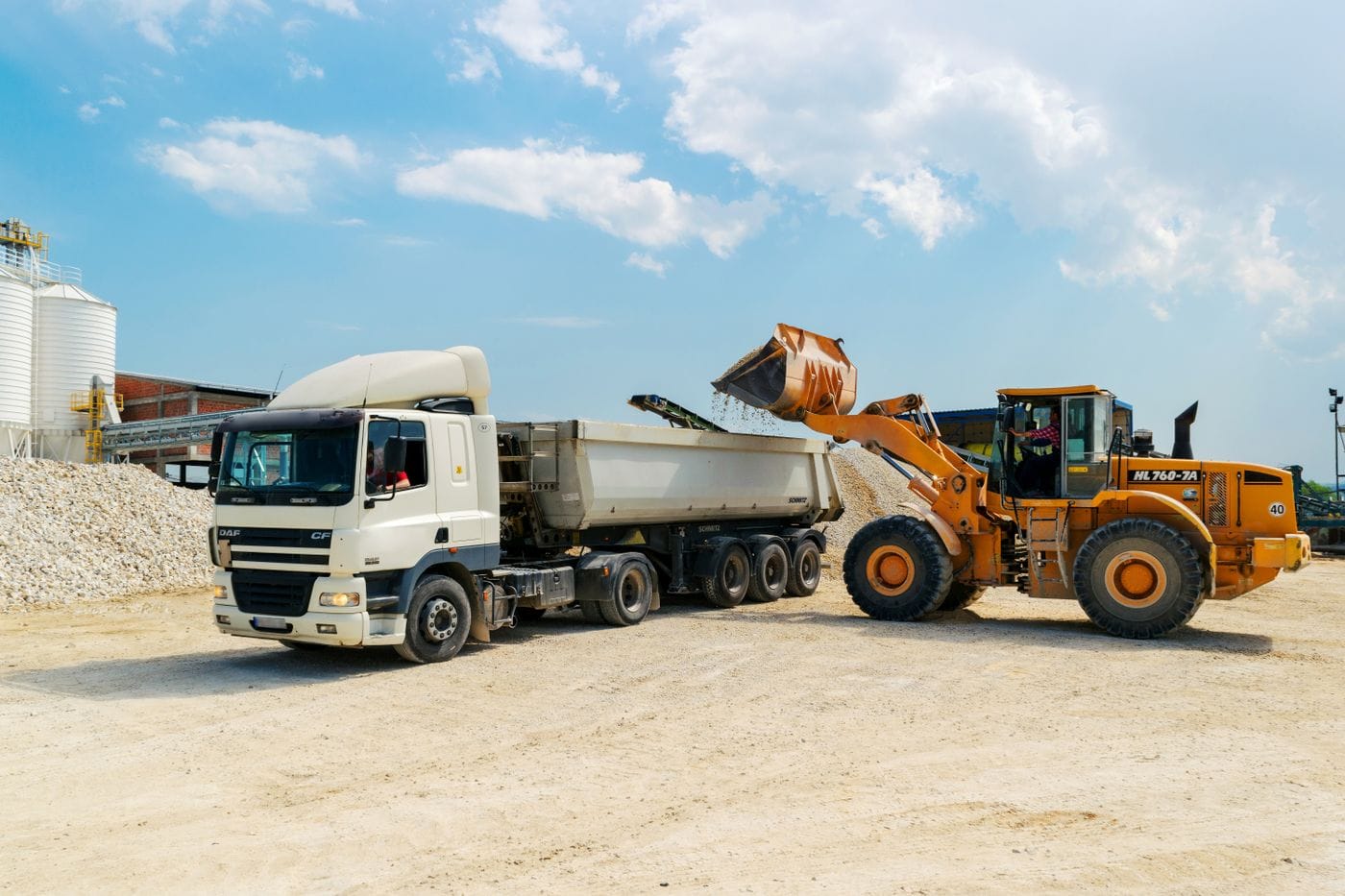
Multi-Branch & Logistics
Company-wide inventory, tracked internal transfers, and delivery and pickup scheduling linked to rental orders.

Barcode, QR & Serial Tracking
Scan assets at dispatch, return, and inspection for a real-time record of where every item is.

Customer Portal & Online Booking
Customers browse availability, request quotes, sign contracts, and pay online, around the clock.

Live Dashboards & Analytics
Revenue, utilization, asset-level profitability, and collection performance on live dashboards.
Workflow Automation
Booking approvals, reservations, contracts, reminders, and reporting run themselves, your team serves customers.

Rental Operations Without the Chaos
Every day, your team tracks assets, prepares contracts, monitors payments, schedules maintenance, and coordinates deliveries, all while ensuring equipment or properties are available exactly when promised. Double bookings, delayed payments, lost inventory, and missed follow-ups quietly erode profitability and damage customer trust.
Our rental ERP solutions bring every part of the operation together on one integrated platform. Assets, customers, contracts, finance, and reporting stay synchronized automatically: one source of truth across your entire business.
Why rental businesses choose us
We give every branch real-time asset availability, capture every inquiry as a tracked lead, generate contracts and invoices automatically, enforce structured return inspections, and turn operational data into live dashboards, with deep rental-industry implementation experience behind every rollout.
The result
No more double bookings or written-off late fees. Your team commits with confidence, collections come in faster, assets last longer, and your rental business is ready to scale.
Rental Business Challenges We Solve
These are the operational leaks we see in almost every rental company, and exactly how the ERP closes each one.
Double Bookings & Blind Spots
Sales confirms a forklift from a spreadsheet that operations already extended. Real-time availability across every branch ends the guesswork, and the cancelled bookings.
Missed Inquiries & Lost Leads
Calls noted on paper never get a follow-up. Every inquiry becomes a tracked lead with scheduled reminders, so no customer slips away to a competitor.
Manual Contracts & Paperwork
Word-file agreements with inconsistent rates and forgotten deposits leak revenue silently. Contracts generate in seconds with approved pricing and e-signatures.
Delayed Payments & Weak Cash Flow
Unpaid invoices discovered weeks later are hard to collect. Automated reminders and escalating overdue notices keep receivables and cash flow healthy.
Missed Maintenance & Breakdowns
Equipment failing in a customer’s hands mid-job costs downtime, claims, and reputation. Preventive schedules and per-asset history keep the fleet reliable.
Late Returns & Deposit Disputes
Late fees written off, damage found by the next customer. Digital check-in with photos bills every late day and settles deposits with documented evidence.
Multi-Branch Coordination Chaos
Branch A idles a scissor lift while Branch B turns customers away. Company-wide inventory and tracked transfers put the whole fleet to work, not just one branch’s.
Month-End-Only Visibility
A “profitable” category whose maintenance quietly exceeded its rental income for two quarters. Live dashboards surface it in days, not at year-end review.
Disconnected Software & Re-Entry
Accounting, bookings, payments, and messaging in separate tools means duplicate entry and inconsistent records. We integrate them all with your ERP.
Features Built for Rental Operations



The Rental Lifecycle, Inquiry to Invoice
Every customer contact becomes a structured, trackable process: the same reliable flow on every rental, every time.
- Inquiry capturedA lead is created automatically from phone, email, website, or WhatsApp.
- Availability confirmedReal-time asset status checked in the ERP: no spreadsheets, no guesswork.
- Quotation & follow-upA professional quote in seconds, with automatic reminders until the customer decides.
- Booking & contractThe asset is reserved instantly and the rental agreement is signed digitally.
- Payments processedDeposits and rental payments collected, recorded, and reconciled automatically.
- Delivery & return managedDispatch, inspection, late fees, and damage charges handled in the system.
- Insight capturedEvery transaction feeds live dashboards: revenue, utilization, and profitability in real time.

FROM THIS INDUSTRY
My Wardrobe HQ ran its fashion rental platform on a system Index World delivered.
The same rental backbone runs a German self storage operator’s 375 rooms: subscription billing, shared access and move out settlement, across nearly four hundred logged pieces of work.
Browse the delivery record →Keep the Tools Your Yard Already Runs On
We connect what already works instead of replacing it. Integration sits inside the same fixed monthly fee, so nothing on this list arrives later as a change request.
Online booking and quotes
Reservation platforms, enquiry forms, WhatsApp, SMS and email
Customers ask what is free next Tuesday and somebody phones the yard to find out.
Live availability by asset and date answers the quote while the customer is still on the line.
Contracts and e-signature
Digital signature: DocuSign, Adobe Sign
Contracts are printed, signed at handover and filed in a drawer nobody opens until there is a dispute.
The contract is signed on a tablet at handover and stored against the asset automatically.
Accounting
QuickBooks, Xero
Off-hires sit unclosed, so invoices go out late and the ledger never matches what is actually on rent.
Off-hire closes the contract and raises the invoice the same day.
Payments and deposits
Payment gateways: Stripe, card terminals
Deposits are taken ad hoc and refunded from memory, and damage charges get argued weeks later.
Deposits, damage charges and refunds are held against the contract with a clear audit trail.
Telematics and GPS
GPS tracking, RFID tags, hour meters
Machine hours are read off the dial when somebody remembers, so servicing is scheduled by guesswork.
Hours feed the service schedule, and an overdue machine stops being offered on new contracts.
Service, parts and maintenance
Workshop schedules, parts suppliers
A machine comes back damaged and the repair competes with rentals for the same calendar.
Downtime, parts and labour post against the asset so true return per unit is visible.
Using something not listed here? If it has an open API or any other way to connect, we can almost certainly join it to your system.
Five Tools Today. One Rental Desk After.
This is the swap rental businesses actually make. Not another calendar beside the spreadsheet, but one system following an asset from enquiry through hire and return to the next contract.
What the yard runs today
- Availability checked by phoning the yard and hoping
- Contracts printed, signed and filed in a drawer
- Damage argued from memory after the machine is back
- Invoices raised late because nobody closed the contract
- Utilisation guessed from how busy the yard looks
What it becomes on one system
- Live availability by asset and date, visible while quoting
- Signed on a tablet at handover, filed against the asset
- Condition photographed out and in, attached to the contract
- Off-hire closes the contract and raises the invoice that day
- Utilisation and revenue per asset, measured rather than guessed
Nobody switches overnight, and you should not either. We move one workflow at a time, prove it, then move the next. See how a platform switch runs.
One Scissor Lift, Enquiry to Re-Hire
The switch above reads differently when you follow a single unit. Here is how one scissor lift, SL-214 on the yard board, moves through the system from a Tuesday enquiry to its next contract.
From enquiry to dispatch
A contractor calls about a two-week hire of an electric scissor lift. The desk checks the yard calendar and sees that SL-214 comes off-hire on Friday, with its wash-down and service check already booked for Saturday, so it can be committed from Monday without touching the identical unit already out on a long contract. The quote goes out within the hour. The hire rate and a refundable deposit sit at the top, and the damage waiver has its own line, so the customer sees what is optional cover and what is bond before anything is signed. Acceptance turns the quote into a contract with an e-signature, and the delivery goes on the driver’s run sheet as a priced transport leg. On Monday morning the dispatcher walks around SL-214 with a phone, photographing the deck, rails, tyres and charge point. The pre-hire condition photos and the hour-meter reading attach to the contract, and the unit’s status flips to on hire.
Return and settlement
At the end of the hire the lift comes back on the return leg. The fitter records the meter reading, which feeds straight into the service schedule, then walks the unit against the dispatch photos on the same screen. A bent guard rail is not in the pre-hire set, so it goes onto the damage assessment with its own photo beside the original. The damage waiver on the contract decides what the customer actually owes. The deduction is raised against the deposit with the evidence attached, and the balance releases the same day. Every step sits in the deposit ledger instead of being argued from memory weeks later. Off-hire closes the contract and the invoice posts to the ledger without re-keying, while the wash-down and service check book themselves into the workshop calendar.
Back on the yard board
By the time the workshop signs off, SL-214 shows as available again, and the next enquiry can commit it without a phone call to the yard. Its file now carries the extra engine hours and the repair cost, so utilisation and return per unit reflect what this contract actually earned rather than what the rate card promised. When the calendar shows every unit committed, the desk sees it early enough to cross-hire from a partner depot instead of turning the work away. None of this is a separate feature. It is one record moving through the same system the rest of this page describes.
Got questions? We’ve got answers.
What types of rental businesses do you work with?
Equipment, vehicles, machinery, event supplies, and property rentals. The same platform adapts to each, and we tailor the workflows to how your business actually operates.
How does the system prevent double bookings?
Confirming a booking reserves the asset instantly, and every branch works from the same real-time availability, so sales can never promise equipment that operations has already committed.
Can you automate late fees, damage charges, and deposit refunds?
Yes. Overdue returns are flagged and invoiced automatically, damage is documented at check-in with photos, and charges are offset against security deposits with a clear audit trail before the refund is processed.
Can customers book and pay online?
Yes, a branded self-service portal lets customers browse availability, request quotes, sign contracts, view invoices, and pay online, capturing bookings around the clock.
Does it support multiple branches and warehouses?
Yes. You get company-wide inventory visibility, tracked internal transfers between branches, and delivery and pickup scheduling linked directly to rental orders.
How long does a rental ERP implementation take?
It depends on fleet size, branch count, and finance complexity. We publish a tentative timeline in the first two weeks of engagement.