

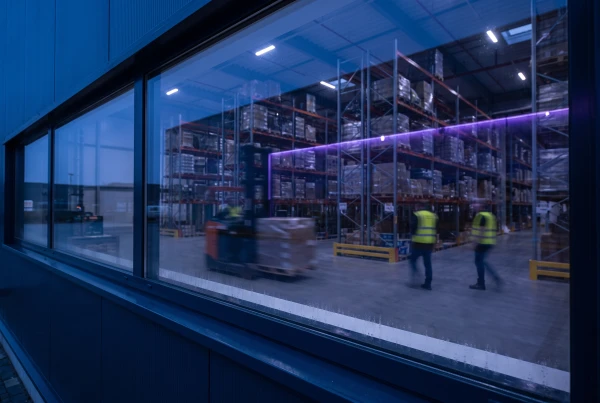

Chemical Manufacturing ERP That Holds the Formula, the Batch and the Paperwork Together
Index World delivers chemical manufacturing ERP for batch and process producers, blenders, compounders and specialty chemical manufacturers. We configure versioned formula and recipe management, lot and batch traceability, quality checks and certificates of analysis, SDS and label document control, and per batch costing in one connected system. Most chemical manufacturers go live on core production, inventory and finance in 8 to 12 weeks.
Plants do not struggle because software was missing. They struggle because the formula lives in a spreadsheet, the batch record in a binder, and the safety data sheet in an email thread. A customer calls about batch 4412 and three sources give three answers. We put the formula, the batch, the test result and the document on one record.
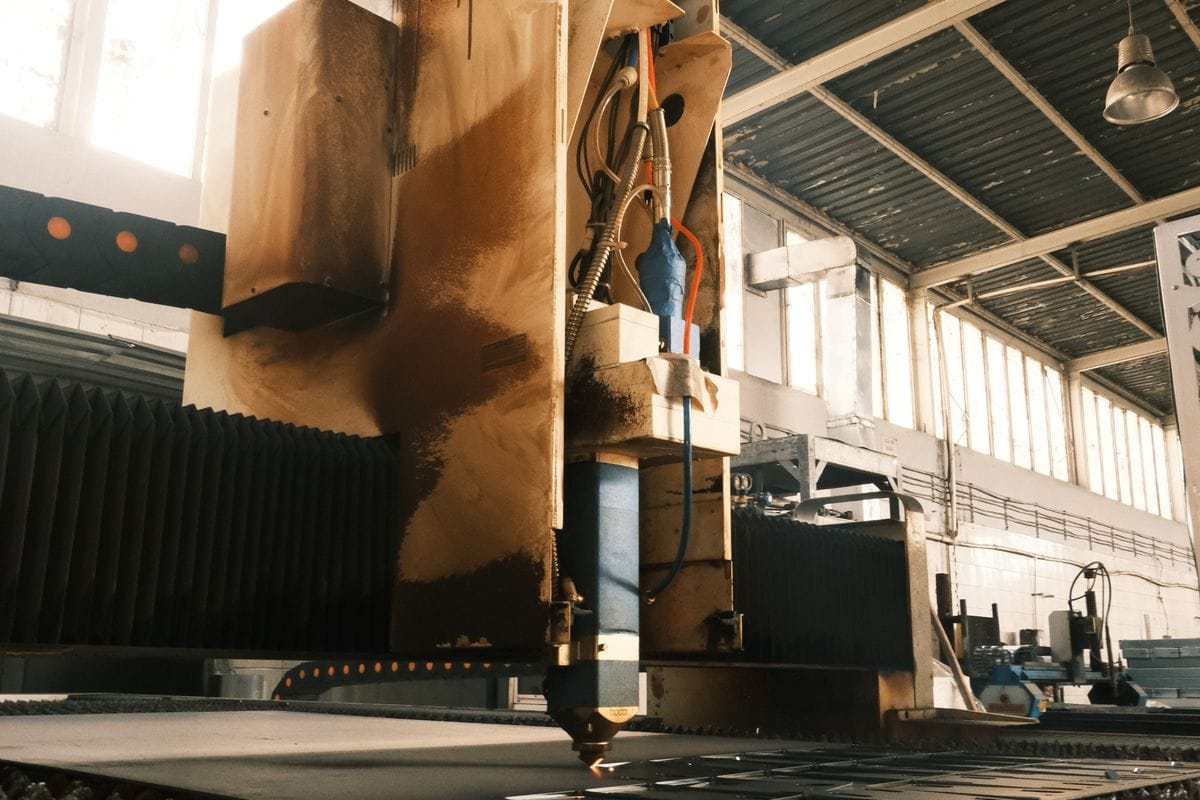

Built for How Chemical Manufacturers Run
Six stages, one connected system, from the raw material drum arriving at goods-in to the certificate of analysis leaving with the shipment.
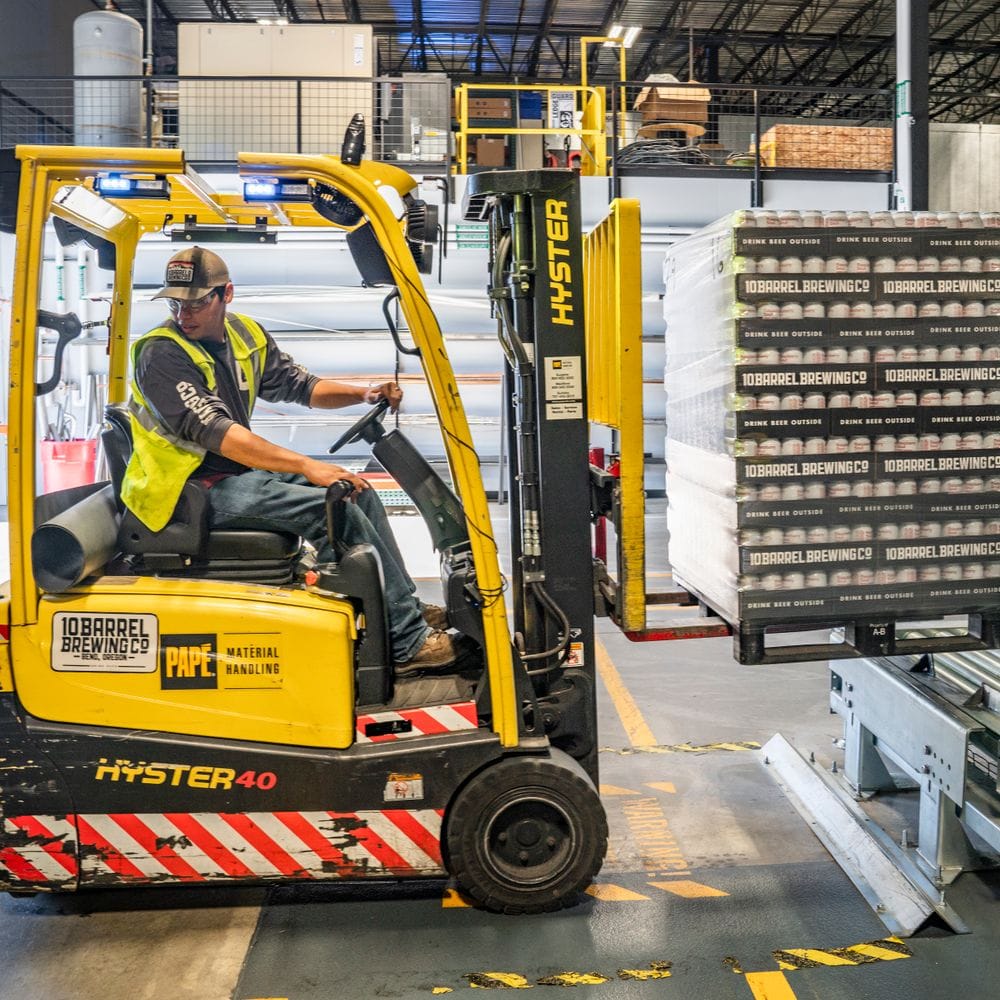
Raw Materials and Suppliers
Each drum of resin is booked in against its lot number and supplier CoA, and quarantined until QC releases it for use.

Formulas and Recipes
The formula for batch B-4417 is versioned, so the plant makes the revision QC approved and not the one saved on somebody’s desktop.
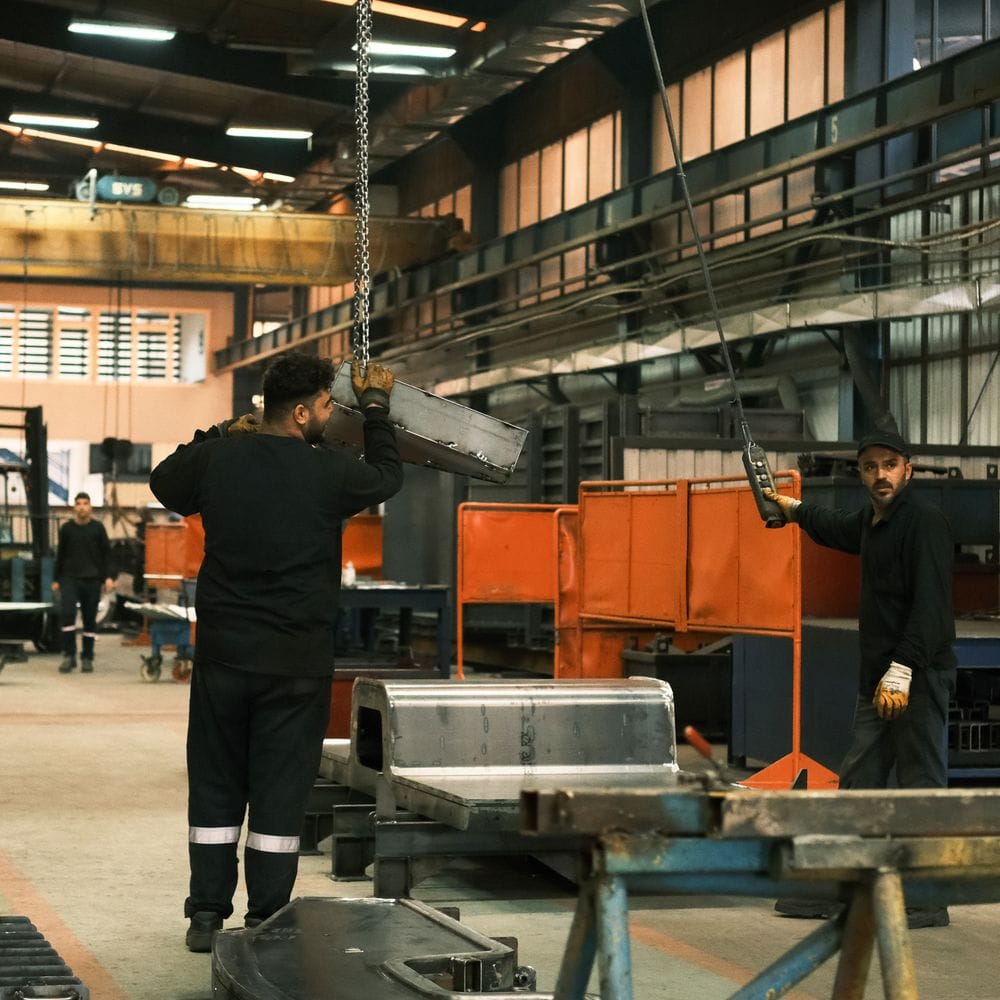
Batch Production
B-4417 draws its resin from the drums it actually consumed, and the yield against theory is recorded as the batch closes.
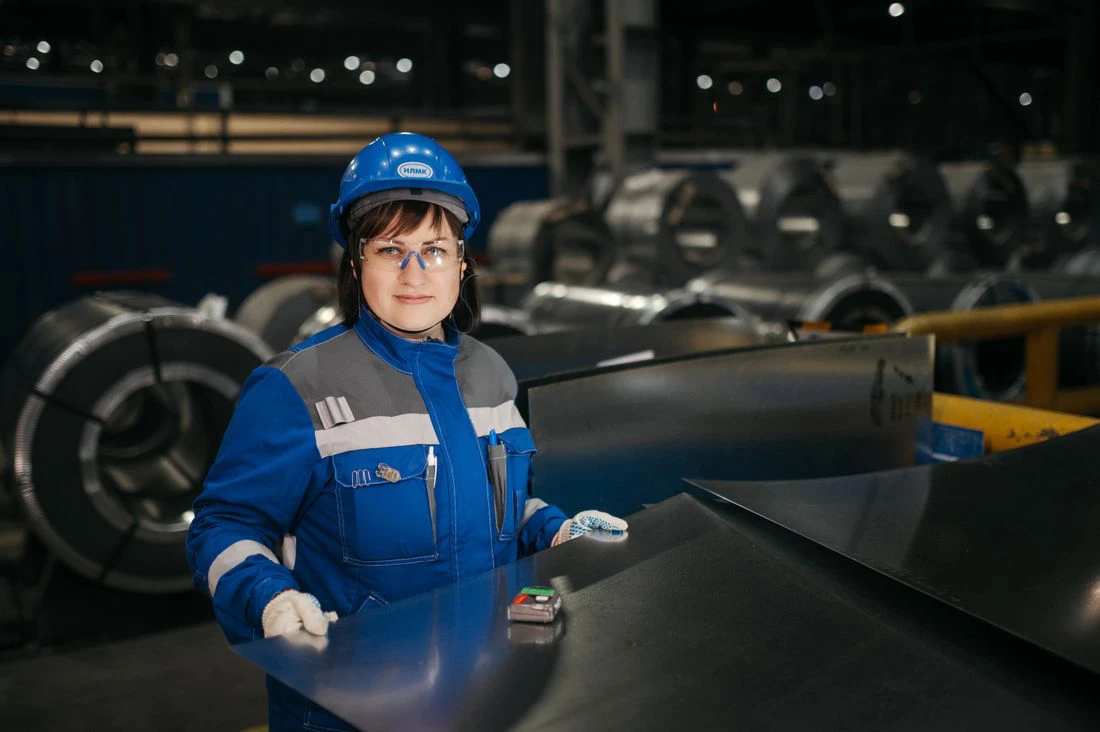
Quality and Certificates of Analysis
Test results attach to B-4417, and the certificate of analysis prints from those results rather than being retyped for each customer.
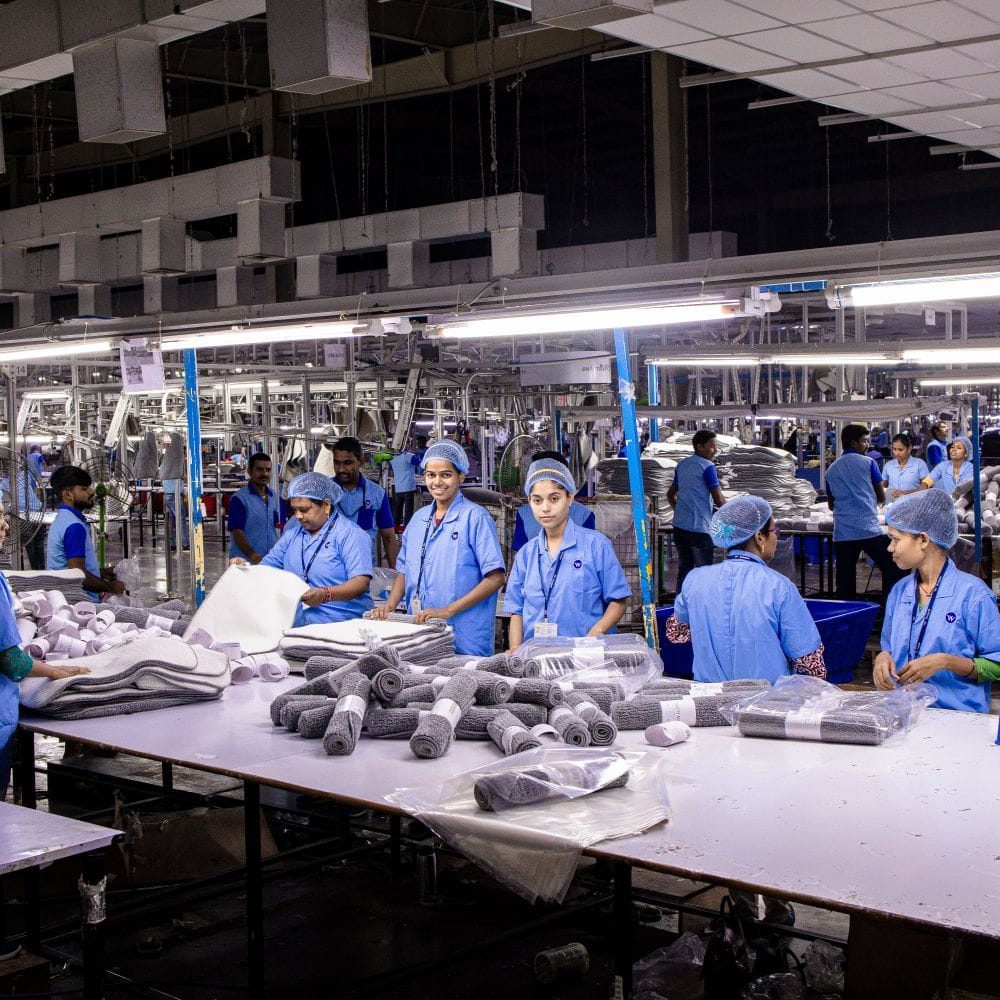
Packaging, Labels and SDS
Every pail carries the lot, the GHS label and the safety data sheet version current on the day it shipped.

Costing and Margin
When B-4417 closes, resin, solvent, labour and any rework land on the batch, so the margin is the real one.

What is chemical manufacturing ERP?
Chemical manufacturing ERP runs formulation, production, inventory, quality and finance for a business that makes product by formula rather than by assembly. It holds a recipe with percentages, densities and unit of measure conversions, and a lot number traceable in both directions: back to the supplier drum, forward to every customer who received that batch. As an official Odoo Partner we build it most often on Odoo Manufacturing, Quality, Inventory, Purchase, Sales and Accounting. Sage, NetSuite, Microsoft Dynamics and ERPNext carry the same formula and batch work, and where a plant already runs one of them we build there rather than move you for our own convenience.
ERP for chemical manufacturing has to carry the paperwork as well as the production. A batch is not finished when the vessel is empty. It is finished when the test result is in, the specification is met, the certificate of analysis exists and the current safety data sheet is on file. ERP software for specialty chemical manufacturers faces the same job with shorter runs and more frequent formula revisions. We reshape Odoo Manufacturing around formula, lot and document control.
A North American paint and coatings manufacturer, which is specialty chemical manufacturing in all but name, has logged more than 200 pieces of work with us. We moved them onto Odoo.sh, built a field representative visit system, built a credits and complaints workflow so a product issue is logged, investigated and settled in one place, and set role based access across field, office and finance.
Why it matters
Anyone can install the software. Chemical plants stay broken because production gets fixed and the documentation does not, or the documentation gets fixed and nobody at the vessel changes how a batch is recorded. We do both, and then we stay. If a recall question lands, the answer has to already be in the system that day, not reconstructed from binders over a weekend.
Why ERP for the Chemical Industry Differs
Formulas living outside the system
A formula kept in a spreadsheet gets revised by whoever has the file open. Two versions reach production in the same month, and the price you quoted came from a recipe that no longer exists.
Traceability that only works on paper
A supplier flags an off specification raw material. You need every batch it touched, every customer who received them and the stock still on your racks within the hour, not the week.
Compliance documents drifting out of date
Safety data sheets, labels and shipping classifications get rebuilt by hand each time a formula moves. The shelf copy, the customer copy and the shipment copy stop agreeing, and an auditor notices first.
Quality results disconnected from the batch
Test results sit in a lab log production cannot see. Material reaches finished goods before release, retests get missed, and somebody rebuilds the certificate of analysis by hand while the truck loads.
Margin eaten by volatile input prices
Raw material prices move faster than price lists. Without real per batch costing, yield loss, rework and solvent recovery never reach the margin figure or the books, so a line runs thin for quarters.
Shelf life, retests and reprocessing
Product with a retest date gets treated like product without one. Stock ages past its window, reprocessing is decided from memory, and short dated material still ships to distributors.
ERP Software for Chemical Manufacturing
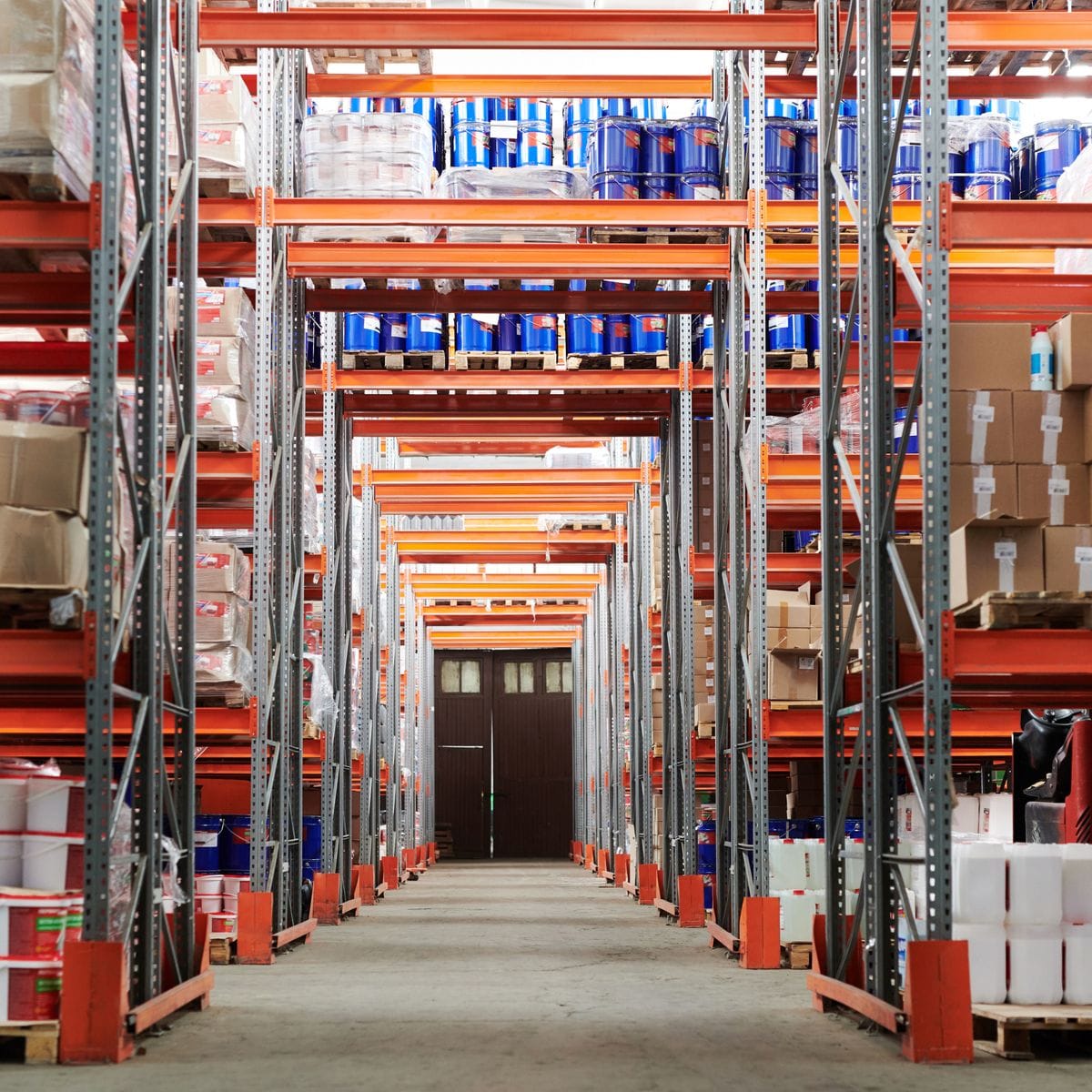

Chemical Distribution ERP, Plant to Dock
Not every chemical business makes the product. Distributors, blenders and repackagers carry the same regulatory load with none of the production, and usually across far more SKUs. Chemical distribution ERP has to handle the same lot traceability and the same document control, then add supplier consignment, drop shipments, tank farm receipts, bulk to pack breakdown and customer specific labeling on top of it.
We configure the distribution side around the way material moves. Bulk arrives in road tankers or IBCs and gets repacked into drums, pails and cases, so the system converts units and keeps the lot intact. A drop shipment from the producer still appears in the customer traceability record. Contract, volume and customer specific pricing applies at order entry, not on a corrected invoice.
Compliance does not get lighter because you did not manufacture the product. You still need the current safety data sheet, the correct shipping classification and the certificate of analysis for the lot you shipped. We support your OSHA, EPA and SDS process on the distribution side exactly as on the production side, so a customer asking about a two year old shipment gets an answer that day.
How It Works, Your Path to Go-Live
The same path we walk with every batch manufacturer, and not one of them stopped production to do it.
- Discovery and process auditWe map how material and paperwork actually move: formula revision history, batch records, test points and specifications, lot numbering, tank locations, shipping classifications and the chart of accounts. Our ERP consultants sit with the people doing the work.
- Solution designWe blueprint the future state on staging first: recipe structure and unit conversions, quality checkpoints and release rules, lot and expiry policy, costing method, and the document control that keeps SDS and label versions tied to the formula revision.
- Build and configureWe import products, formulas, on-hand lots, locations and opening balances. Formula data is where chemical projects slip, because the master recipe is usually spread across spreadsheets in different units. We standardize it first.
- Validate with a real batchBefore go-live we run one of your real products end to end on staging: receive the raw material, release it, make the batch, record results, generate the certificate of analysis and ship. Paperwork that fails on staging will fail in production.
- Train and go liveProduction, quality control, warehouse, purchasing, sales and accounting each get a documented workflow and role specific training, so day one is a relief rather than a risk.
- Optimize and growWe stay on, sharpening batch costing, extending reporting, and adding barcode, maintenance and further quality control as volume and product range grow.
What Chemical ERP Software Costs
Chemical ERP software is paid for in two parts, and most quotes blur them. The first is the platform license, paid to the vendor: on Odoo in the United States in 2026, that runs around $31 per user per month on Standard and around $61 on Custom, billed yearly. The second is the implementation, the work of configuring formulas, quality, traceability, costing and document control around your plant.
Published industry ranges for a mid market chemical ERP project sit roughly between $25,000 and $80,000, with partner rates commonly $50 to $150 per hour. Treat both as industry estimates, not an Index World quote. We do not bill by the hour. We scope first, then quote a fixed fee that includes migration, and support afterwards runs on flat monthly plans from $250.
What moves the price is scope rather than user count: how many formulas you hold and what condition that data is in, whether lot and batch history has to come across, how many quality specifications exist, and how far your process sits from standard Odoo. The Odoo implementation method is the same one we run for every manufacturer, with formula, lot and document work on top. If we do not deliver the scope and milestones agreed in writing, you get your money back.
Got questions? We have answers.
How to choose the best ERP system for chemical manufacturing?
Start with the things generic ERP gets wrong. Ask whether the system holds versioned formulas rather than parts lists, whether it converts units of measure natively, whether a lot can be traced in both directions in one step, whether quality release actually blocks stock from moving, and whether safety data sheets and labels are version controlled against the formula. Then ask the partner to run one of your real products end to end on a demo instance, from raw material receipt through to the certificate of analysis.
How can ERP improve visibility into chemical purchase orders?
Purchasing gets clearer once demand comes from the formula instead of from memory. Planning reads the recipe for every open batch, nets it against stock on hand and stock already on order, then raises the purchase requirement with supplier lead time built in. Each purchase order line carries the expected date, the supplier price against your standard cost, the incoming quality check and the lot numbers received, so a buyer can see what is late, what is short and what arrived off specification on one screen. Receipts post against the lot, which means the traceability record starts at the supplier rather than at the vessel.
What are the essential features of chemical manufacturing ERP software?
Formula and recipe management with version control and approvals. Batch manufacturing orders that capture actual quantities and yield. Lot and batch traceability in both directions, with quarantine and release control. Unit of measure conversion between weight, volume and percentage. Quality specifications, test points and certificates of analysis. Shelf life, expiry and retest date handling, with defined routes for rework and reprocessing. Document control that ties safety data sheets and labels to the formula revision. Per batch costing that includes yield loss. And accounting connected to all of it, so inventory valuation and margin come out of the same record as production rather than from a separate spreadsheet.
How much does chemical manufacturing ERP cost?
There are two costs and most quotes blur them. The platform license is paid to the vendor: on Odoo, around $31 per user per month on Standard and around $61 on Custom in the United States, billed yearly. The implementation is separate and driven by scope: formula count, data condition, historical lot migration, and whether you need distribution as well as production. Published industry ranges for mid market chemical ERP projects sit roughly between $25,000 and $80,000, which is an industry estimate rather than a quote from us. We do not bill hourly. We scope, quote a fixed fee including migration, and run ongoing support on flat monthly plans.
Does it handle batch tracking and compliance?
Batch tracking, yes, and natively. Every receipt, internal move, production step and shipment carries a lot or batch number, so you can trace a finished lot back to the supplier drum or forward to every customer who received it. Quarantine holds unreleased material so it cannot be picked, and shelf life, expiry and retest dates sit on the lot itself. On compliance we are deliberately precise about what we do: we configure the system to support your OSHA, EPA and SDS process, holding hazard classes, storage rules, document versions and the evidence trail in one place. The system supports your compliance program. It does not replace it, and no software makes a plant compliant on its own.
Can it manage safety data sheets (SDS)?
Yes. Safety data sheets are held as controlled documents attached to the product and to the specific formula revision, so when a formula changes the matching SDS version travels with it instead of leaving the old one in circulation. The current document can be attached to shipping paperwork and to the customer record, and access can be restricted by role so only the people who own the document are able to replace it. As with all compliance work, we configure the system to support your SDS process. Authoring and approving the content stays with your EHS team.