

ERP for the Food and Beverage Industry, Built Around Compliance and Shelf Life
A recall notice does not wait for a good time. When it lands, the questions are how fast you can name every lot and batch it touched, whether expiry dates were tracked closely enough to matter, and whether margins that already run thin can absorb a slow answer.
Index World implements food and beverage ERP for operators, at a fixed fee: lot and batch traceability, FEFO-driven picking, recipe and yield costing, and the compliance record-keeping your QA team relies on, built by an in-house team and led by a CPA for the numbers that actually matter.
- Fixed fee
- Lot-level traceability
- CPA-led

What Food and Beverage ERP Needs to Do
A generic inventory screen is not the bar here. The mechanics below are what a plant manager or a QA lead actually checks for before signing off on a system. The traceability depth behind all of this, lot tracking from goods in to dispatch, lives on our food traceability software page; that is where an ERP for food industry operations gets tested first.
Lot & batch traceability
- One-up, one-back tracking from supplier lot to finished case
- A mock recall pulled in minutes, not days
- Genealogy from raw material through to shipped goods
- Records ready for a QA team, not a scramble through email
Expiry, FEFO & catch-weight
- First-expired-first-out picking, not first-in-first-out
- Expiry dates tracked to the lot, not just the SKU
- Catch-weight handling for variable-weight goods like meat and cheese
- Rework and repack tracked back to the original lot
Recipes, yield & cost
- Formula-style bills of materials with yield and loss factors built in
- A batch’s real cost, not the cost the recipe card assumes
- Landed cost rolled into the number a plant manager actually sees
- Margin visibility on percentages that run thin to begin with
Quality, allergens & distribution
- Quality checkpoints at receipt, production, and dispatch
- Allergen flags and label data carried on the item record
- Route and wholesale distribution support for delivery-based selling
- One system for the plant floor and the sales desk
The recipe and yield mechanics above sit on the same foundation as our broader Odoo manufacturing work, the expiry and catch-weight handling runs on the same Odoo inventory engine we configure for other operators, and the route and delivery side connects into wholesale distribution when a plant also sells direct to route customers.
What the system does for compliance
None of this is legal advice, and no software makes a business compliant by itself. What a system configured for food and beverage operations does is remove the excuses: slow records, missing timestamps, and a recall drill nobody has actually run.
Traceability is a record-keeping discipline
FSMA-era expectations come down to one-up, one-back: know your immediate supplier and your immediate customer for every lot. The system captures that at receipt, production, and shipment automatically; a written recall plan and trained people still have to run the drill.
A mock recall should take minutes, not a week
Regulators and customers increasingly expect a business to demonstrate a recall drill, not just describe one on paper. Lot-level traceability turns finding which customers received a lot into a query instead of a search through receiving logs and shipping paperwork.
Audit trails, not audit promises
Every receipt, production order, and shipment is timestamped and tied to a person and a lot. When an auditor, a customer’s QA team, or your own team needs evidence, it’s a report pulled from the system, not a reconstruction from memory.
Allergen and label data live on the item, not a side file
Allergen flags and label data travel with the product record itself. The information used to build a label is the same information a recall or a customer questionnaire pulls from, so the two do not quietly drift apart.
The system supports the program. It isn’t the program.
None of this replaces a HACCP plan, a written recall procedure, or your QA team’s judgment. What it changes is whether that team works from clean, fast records or a scramble, which is what most audits and most real recalls actually come down to.
We’re an ERP partner, not a compliance consultancy
We do not issue compliance certifications and will not claim our system makes a business compliant. What Index World builds is the traceability and record-keeping backbone a food or beverage compliance program runs on, configured by people who have set it up before.

The recall drill: what actually changes
A supplier lot of a key ingredient arrives on a Tuesday. That week it goes into two production runs, gets packed into a dozen finished-good lots, and ships to fourteen customers over the following ten days. Then the supplier issues a recall notice. What happens next depends on what the system remembers, not on how the recall started.
| With lot tracking | With spreadsheets and paper | |
|---|---|---|
| Finding every affected batch | A traceability query, run in minutes | Cross-referencing receiving logs, production sheets, and shipping records by hand |
| Building the customer list | Filtered from the same shipment history, in the same pass | Reconstructed from invoices and delivery notes, often after product has moved again |
| What ships while you are still looking | Affected lots held automatically at the next pick | Good stock and bad stock ship side by side, because nobody can tell them apart fast enough |
The trigger does not change the mechanics much, whether it is a supplier ingredient or an equipment issue on your own line. What changes with lot tracking in place is whether the honest answer takes minutes or days, and whether the recall stays as narrow as the actual problem instead of pulling in weeks of unrelated stock along with it.
Catch weight: selling what the scale says
A wheel of cheese is sold as a wheel and paid for by the pound. A case of chicken has a nominal weight printed on the box and a real weight on the scale, and the two rarely agree. Catch weight is how a system holds that honestly: the case stays one unit for ordering and picking, the measured weight is a second unit for pricing and invoicing, and both sit on the same order line instead of in a side spreadsheet.
The mechanics matter most at the dock. The scale weight is captured at pick or pack, after tare, so the customer pays for product and never for the crate. Inventory is relieved on the same measured figure, which keeps stock value tied to what physically left the building. Run the same trade on a nominal weight and every delivery breeds a correction: a credit note when the case runs light, an argument when it runs heavy, and a month end stock figure nobody quite believes. Larger customers push the same point through EDI: their invoices are expected to carry the shipped weight per case, which only works when the scale reading lands on the order line rather than on a clipboard.
It is also the line item worth pressing on when you weigh up food ERP cost, because catch weight bolted on after go-live means rebuilding pricing, picking and invoicing at the same time. Meat, poultry, seafood, cheese and produce operations need it from the first order, so we scope it in the workflow review rather than discover it on the dock.
Beverage lines: excise duty and deposits
Beverage adds two ledgers a food only plant never sees. The first is excise. Beer, cider, spirits and some ready to drink lines carry duty that follows volume and strength, falls due at defined points, and has to be reported from production and movement records, including anything held in bond. When those records live in the same system that runs the brewhouse and the warehouse, the excise return is assembled from movements that already happened, rather than reconstructed from a spreadsheet at the end of the period with the deadline already close.
The second is deposits. Kegs, casks, crates and returnable bottles go out with the product and are supposed to come back. Each carries a deposit that is a liability rather than revenue, and the container float is an asset wandering around your customers’ cellars. A deposit ledger tracks both sides: what went out on each delivery, what came back on the next one, and which accounts are quietly holding a stack of your kegs. Without one, container losses surface once a year as an unexplained write off. The float is also an asset register in disguise, because a keg that cycles for years earns its keep only if somebody knows where it is.
This is accounting as much as operations, which is why the duty and deposit setup runs through the same chart of accounts work as our Odoo accounting practice, and why the balances get reconciled the way our bookkeeping team closes any other control account: every month, against the container count.
How implementation works
Adapted from our standard Odoo implementation process for lot tracking, recipes, and floor realities specific to food and beverage, staged so lot history decisions are settled before anything goes live.
 01
01Workflow review
We look at how product actually moves today: receiving, production, packing, and dispatch, plus every place a lot number gets written down or lost. This is also what the fixed fee gets scoped from.
- 02
Traceability and recipe mapping
Lot and batch structures, FEFO rules, allergen data, and formula BOMs with yield and loss factors get mapped with your production and QA leads, and written down before anything is built.
- 03
Staged migration
Products, recipes, on-hand stock, and open orders migrate into a staging database first. Lot history is a real decision here, not an afterthought: how far back it is worth carrying, and what starts fresh at go-live.
- 04
Floor training
Scanning, FEFO picking, and the receiving and production screens get trained hands-on, on your actual data, with the people who use them daily rather than a generic demo.
- 05
Phased go-live
Go-live moves in phases wherever the operation allows it, so a receiving or picking mistake in week one is a small fix, not a plant-wide stoppage.
- 06
Flat-rate support
After go-live, support runs on a flat monthly rate under our HERO support plans, not an hourly meter, through the first close and beyond.

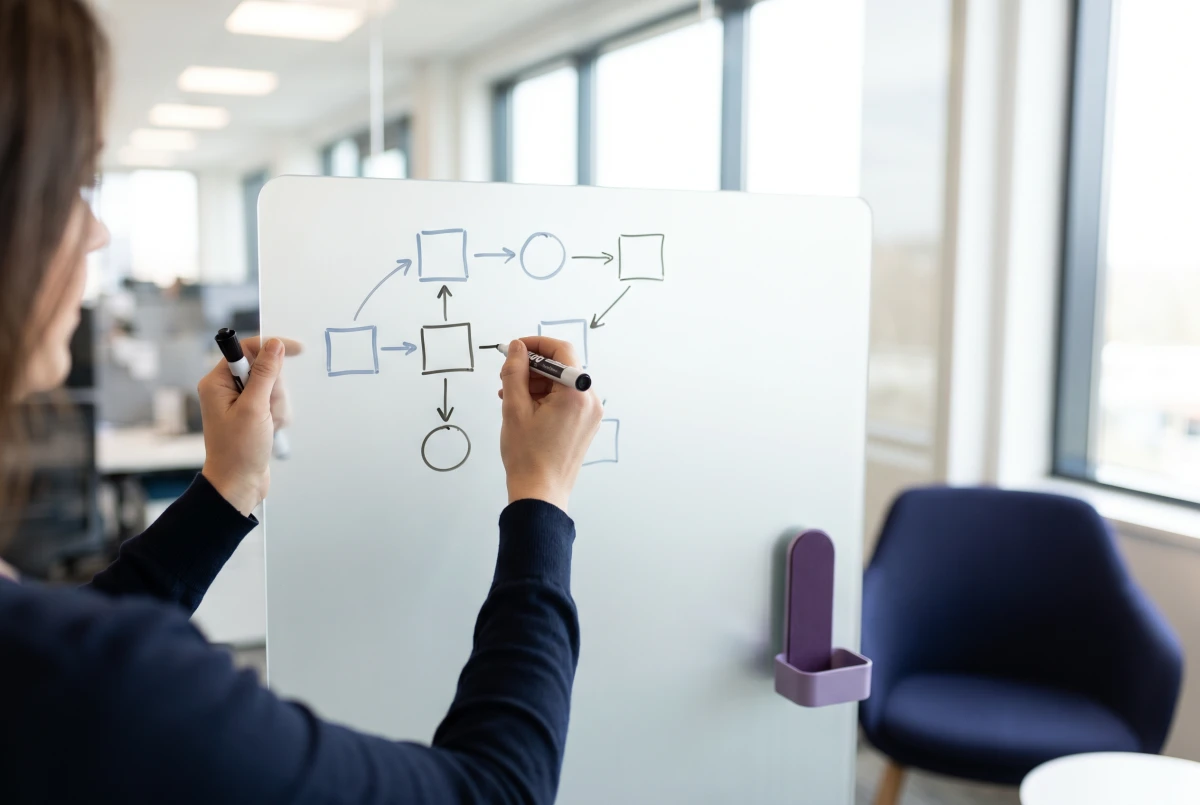




FOOD PRODUCTION CLIENT
A US artisan bread manufacturer runs its operations on Odoo with Index World
It is a real Index World client in food production, published unnamed as a matter of client privacy. We do not publish figures we cannot stand behind, so there is no percentage or dollar number here to make the point for us. What we can say is that the relationship is real, ongoing, and referenceable when you ask.
Why food and beverage operators choose us
The financial and traceability layers get checked the way a CPA and a plant manager would check them, not the way a generic software demo checks them.
- CPA-led costingLeadership includes a CPA, so margins on thin percentages are built from real landed cost, not a spreadsheet estimate.
- One in-house team of 100+The people who map your recipes, lot rules, and floor workflows work here, not at a subcontractor.
- Official Odoo Partner since 2018Verifiable in Odoo’s partner directory, with implementations running across three continents.
- Fixed fee, one-month trialScope agreed in writing before work starts, with a one-month, no-obligation trial to start on.
Food and beverage ERP, answered.
What is the best ERP for the food and beverage industry?
Honestly, it depends on what your operation actually needs, and anyone who names one system before asking is selling, not advising. The questions worth asking are whether it handles lot and batch traceability natively, whether it supports FEFO picking and catch-weight goods, whether recipes carry yield and loss factors, and whether the vendor or partner has actually configured it for a food or beverage operation before. Odoo covers all of that natively at most processing volumes, which is why it is our most frequent recommendation and where our bench runs deepest. Sage, NetSuite, Microsoft Dynamics and ERPNext are the other systems we deliver, and a neutral second opinion is reasonable before you commit. That is what an ERP consultant engagement is for if you want one first.
Does Odoo handle lot traceability and recalls?
Yes. Lot and serial tracking is native to Odoo’s inventory and manufacturing apps, covering receipt, production, and shipment in one chain. That gives you one-up, one-back traceability and the ability to pull every affected batch and customer in a single query. The recall procedure itself, and the judgment calls inside it, stay with your QA team.
Can ERP manage expiry dates and FEFO picking?
Yes. Expiry dates are tracked at the lot level, and picking rules can enforce first-expired-first-out instead of first-in-first-out, which matters most when a newer lot physically sits in front of an older one on the shelf. Catch-weight items get handled the same way, priced and shipped on actual weight rather than a nominal unit.
What does a food and beverage ERP cost?
Two separate bills, kept honest and separate. Our fee covers implementation and configuration: recipes, lot rules, allergen data, integrations, and training, agreed in writing after a workflow review, with no hourly billing. Odoo’s own licensing is paid directly to Odoo, from $31.10 per user per month on the Standard plan, US, billed yearly. The full breakdown is on our Odoo pricing page.
How long does implementation take for a food business?
It runs in phases rather than to a fixed calendar promise: workflow review, traceability and recipe mapping, staged migration, floor training, then a phased go-live. You get a written timeline after the workflow review, once we know how many product lines, recipes, and locations are actually involved.
Does it handle recipes and yield?
Yes. Formula-style bills of materials carry yield and loss factors, so a batch’s real cost reflects what actually comes out the other end, not what the recipe card assumes. That number feeds directly into landed cost and margin reporting.
Can it support both manufacturing and distribution?
Yes, in one system rather than two connected ones. Production, lot genealogy, and quality checks run on the manufacturing side, while route and wholesale selling, pricing, and fulfillment run on the distribution side, both reading from the same inventory and lot records.