

ERP Migration Services That Reconcile
Whether you are leaving QuickBooks, an aging ERP or a wall of spreadsheets, the risk is the same: the data. We move it with every field mapped first and balances reconciled to the cent on the other side.

- 150+clients on three continents
- 100+in-house specialists
- 2018founded, clients retained since
- 5.0on Clutch, 4.8 on Google

Why ERP migrations fail,
and how each cause gets closed
Dirty data moved as-is
Duplicates and dead records arrive first and poison trust in the new system. We cleanse before we load, every time.
No reconciliation
The import finishes, nobody proves the totals match, and finance finds the gap at month-end. Ours is matched and signed before go-live.
Old workflows shipped to a new home
Migrating a broken process buys you the same problems on newer software. Mapping comes before moving.
Unrehearsed cutover
A first-attempt migration on go-live weekend is a gamble. Ours is the boring repeat of a tested rehearsal.
History abandoned
Teams lose years of records because carrying them looked hard. We map what to keep, and keep it queryable.
Meter-running incentives
Hourly billing rewards a slow migration. A fixed fee per phase rewards a finished one.

What is ERP migration?
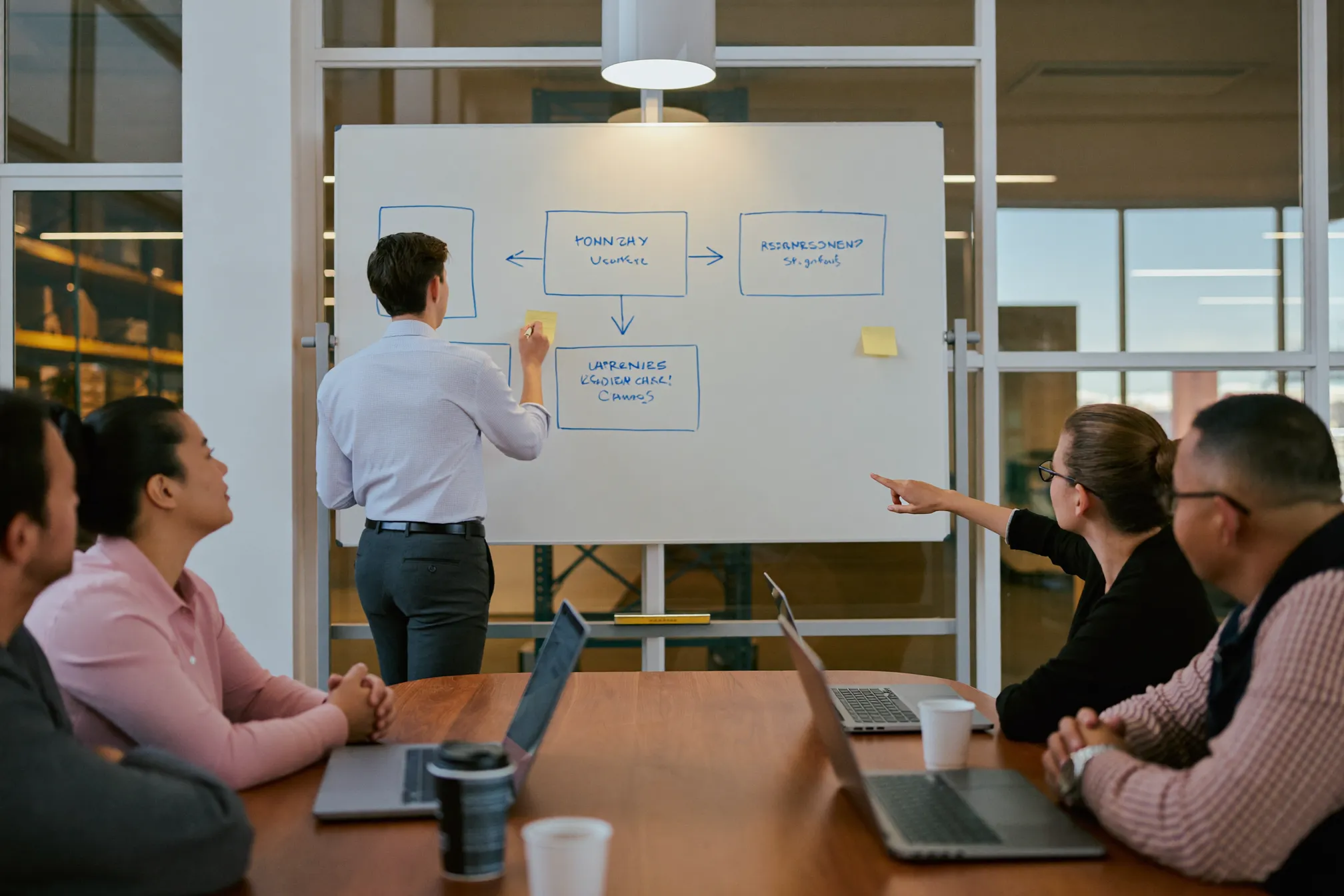
ERP migration is moving your business onto a new system: the data, the workflows, and the people who use them. The move might start from an accounting tool you outgrew, a legacy ERP priced beyond its value, or the spreadsheets that quietly became your real system. In every case, the work that decides success is ERP data migration: what moves, how it is cleaned, and whether anyone proves the totals match.
Migration is also your one free process fix
You will never have a cheaper moment to fix a broken workflow than while moving systems. We map processes before moving data, so approval chains that lived in email and reorder logic that lived in one person’s head become real, owned processes in the new system. Shipping old habits to new software is how companies pay twice.
Migrating to Odoo, or somewhere else?
Both. We are an official Odoo partner, and moves onto Odoo have their own dedicated path on our Odoo migration page. But the method on this page does not change with the destination: we run migrations onto NetSuite, Sage, Dynamics 365 and SAP Business One on the same terms. If the destination is still open, settle it with our ERP consultants through structured ERP selection before any migration is scoped.
What our ERP migration services cover
Three starting points, one discipline: whatever you are leaving, the data arrives clean, mapped, and reconciled.
QuickBooks, Sage, Xero & beyond: The most common migration we run: a business that outgrew its accounting tool and needs a full backbone.
Balances that reconcile: Opening balances, open invoices, and history move with debits equal to credits, checked by accountants.
The rest of the business joins: Inventory, orders, and operations come onto the same system the books run on.
Proof on record: Looseleaf made exactly this move with us; the case study is linked below.

NetSuite, Dynamics, SAP, or older: Renewal-priced out, under-adopted, or simply outgrown: we move you off with the data intact.
Process mapping before moving: Migration is the moment to fix broken workflows instead of shipping them to a new home.
Custom-field archaeology: Years of customizations get mapped, kept, or deliberately retired, each with a written reason.
Parallel-run safety: Old and new run side by side until the numbers match and your team signs off.

Excel-run operations: When the business runs on shared spreadsheets, migration means giving each sheet a real home.
De-duplication first: Customers, products, and vendors get cleaned and merged before they enter the system.
Workflows, not just data: The approval that lived in a column becomes a real process with an owner and a record.
Gradual cutover: Teams move sheet by sheet, so nobody loses their working tool before its replacement works.

Extract, cleanse, map, load, reconcile: The six-step discipline that separates a migration from an import.
Field-level mapping, signed: Every field has a source, a destination, and a rule, agreed on paper before the first record moves.
Rehearsed runs: The production migration is a repeat of a tested rehearsal, never a first attempt.
Audit trail kept: What moved, what was transformed, and what was deliberately left behind, all documented.

Timed cutover with rollback: Go-live is a controlled window with a tested way back, not a leap.
Minimal downtime: Cutovers are planned around your operating calendar, usually over a quiet weekend.
Hypercare weeks: Concentrated support right after the switch, when questions actually come.
The system keeps growing: Integrations, automation, and reporting build on the clean foundation the migration created.


The systems we move you between
We migrate off spreadsheets, QuickBooks and legacy ERPs, and onto any of these. The source matters less than the discipline: every field mapped before it moves, and balances reconciled to the cent on the other side.
 Odoo
Odoo NetSuite
 Sage
Sage Dynamics 365
 SAP Business One
The ERP Migration Checklist, Step by Step







Why teams trust us with the move
CPA-led reconciliation
The financial layer of every migration is checked the way accountants check it: totals matched between systems, documented, and signed before go-live.
Named proof, not adjectives
Our migration claims link to clients running the results in production. Ask competitors for the same and watch the adjectives come out.
Fixed fee, migration included
No hourly billing anywhere, including the migration. The price you sign covers the move, however stubborn the data turns out to be.
Engineers and accountants, one team
The people who write the migration scripts and the people who reconcile the totals sit on the same in-house team of 100+ specialists. Index World was founded by an engineer and a CPA, and nothing is handed off to a contractor mid-move.
Process fixed in transit
We migrate workflows, not just rows: broken processes get redesigned on the way in, so the new system starts better, not just newer.
Rehearsed, boring cutovers
The production migration is always a repeat of a rehearsal that already reconciled. Boring is the goal, and we are very good at boring.
Every good system starts with a conversation. Talk to our team →
Moves that worked
Businesses that changed systems with us and kept their numbers intact.
Solutions for Every Industry
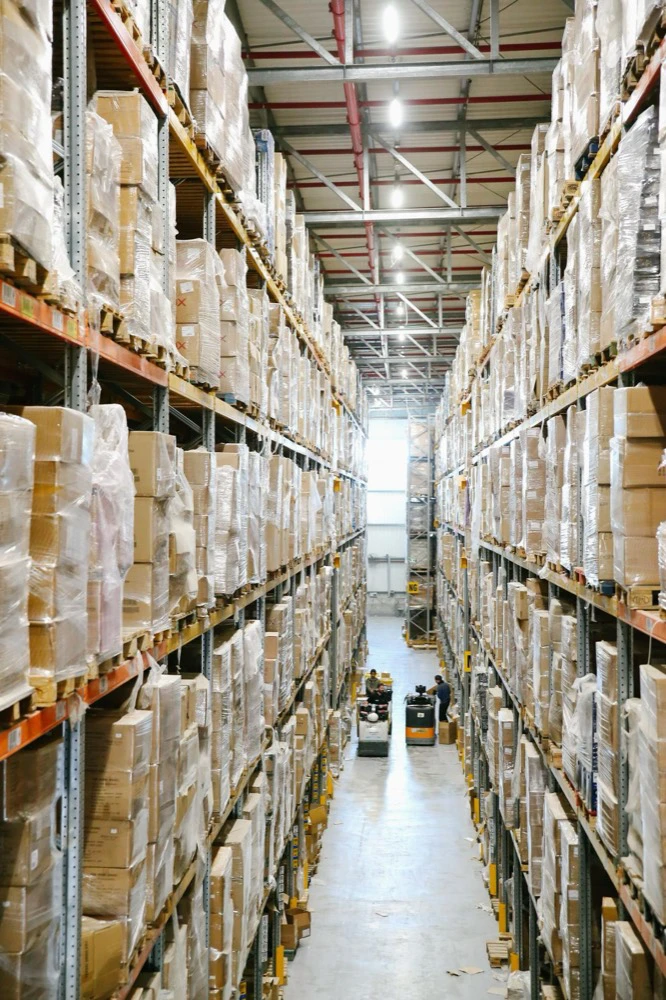
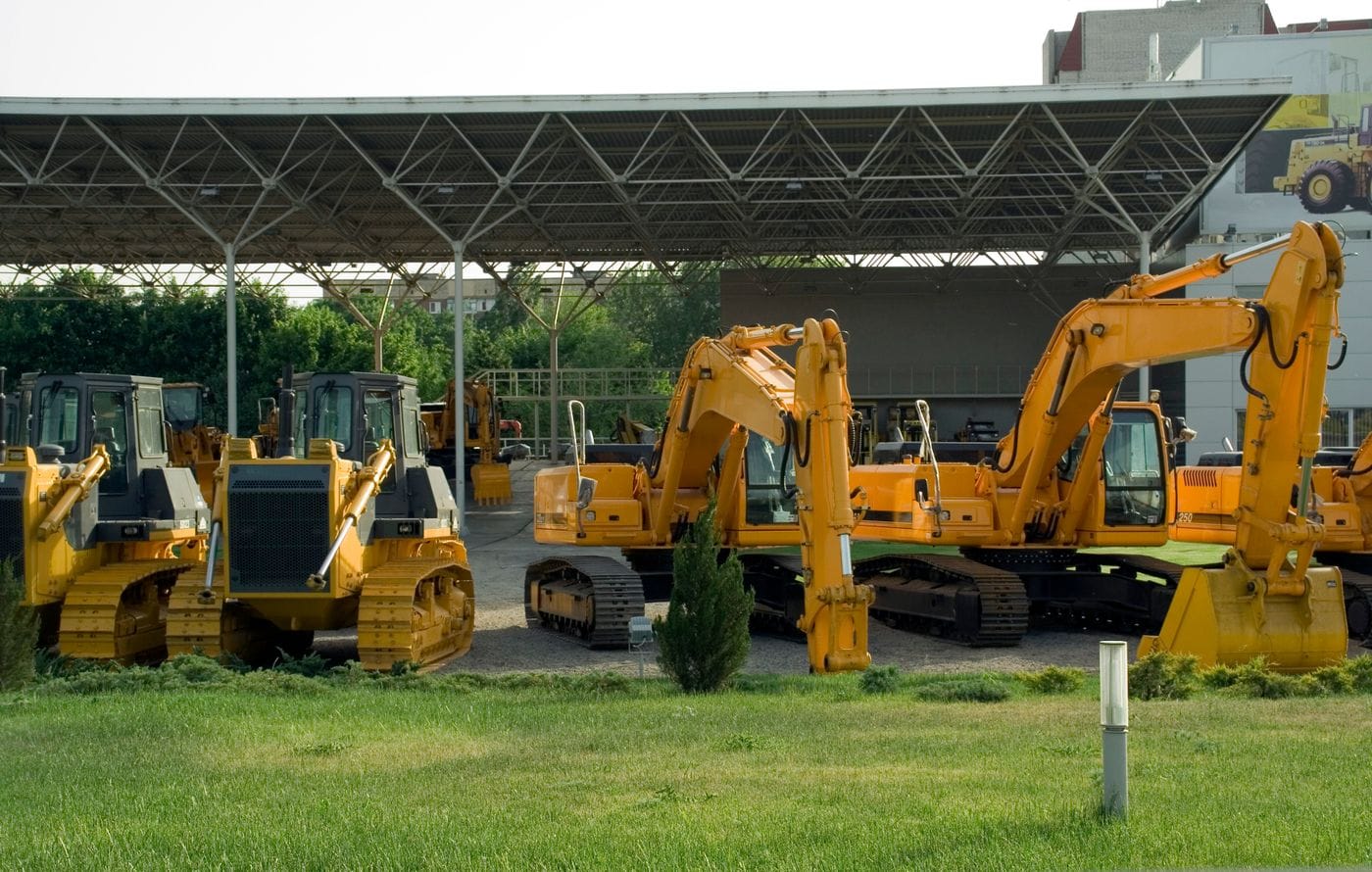
From manufacturing to multi-channel retail, we tailor ERP, accounting, reporting and automation to the way your industry actually works. Explore the solution built for yours.












Proof, and what a migration costs
When Looseleaf left QuickBooks, their balances moved reconciled to the cent, and the whole operation came onto one backbone. That is the standard every migration here is held to, and the case study names the client so you can check it.
On price
Migration cost is driven by data volume, how dirty the source is, and how much history you keep. We scope it as a fixed fee in writing as part of the implementation plan, with no hourly billing, including the migration itself. A stubborn data set costs us time; it does not cost you extra.
ERP migration, answered.
What is ERP migration?
ERP migration is moving your business onto a new system: the data, the workflows, and the people, from an old ERP, an accounting tool like QuickBooks, or the spreadsheets the business actually runs on. Done properly it is a staged, rehearsed process with the totals reconciled before anyone relies on the new system.
What is ERP data migration?
The data layer of that move: extracting records from the source, cleansing duplicates and drift, mapping every field to its destination, loading in rehearsed runs, and reconciling counts and balances between the systems. It is where migrations are won or lost, which is why ours is signed off in writing.
How long does an ERP migration take?
Clean data from a single system can move in a few weeks; years of records across multiple customized systems take months. The assessment gives you a real per-phase timeline before anything moves, and rehearsal runs keep the final cutover to a planned window.
How much does an ERP migration cost?
It depends on data volume, how dirty the source is, how many systems feed in, and how much history you keep. Index World scopes migration as part of a fixed-fee implementation plan, in writing, with no hourly billing, so a stubborn data set costs us time rather than costing you extra.
Why do ERP migrations fail?
Almost always the data: dirty records moved as-is, no reconciliation against the source, and a first-attempt cutover with no rehearsal. The method on this page exists to close each of those doors, and the reconciliation is the part we put in writing.
Can we keep our historical data?
Yes. We map what to carry live, what to archive queryably, and what to retire, each with a written reason. Losing history is a choice bad migrations make by accident; keeping the right history is a decision we make with you up front.
How much downtime should we expect?
Cutovers are planned around your operating calendar, typically a quiet weekend: final delta migration, reconciliation, smoke tests, go decision. Your team usually leaves on Friday using the old system and starts Monday on the new one.
Can you migrate us from QuickBooks?
It is the migration we run most. Balances, open invoices, customers, vendors, and items move with debits equal to credits, reviewed by a CPA-led team, and the operational side of the business comes onto the same backbone. Our QuickBooks services page covers the stay-or-move decision honestly.
Is a version upgrade the same as a migration?
No. Moving from an old version of your current ERP to a new one is an upgrade, with its own process and its own economics. Moving between platforms is a migration. If you run Odoo and need the version jump, our upgrade service handles that path.